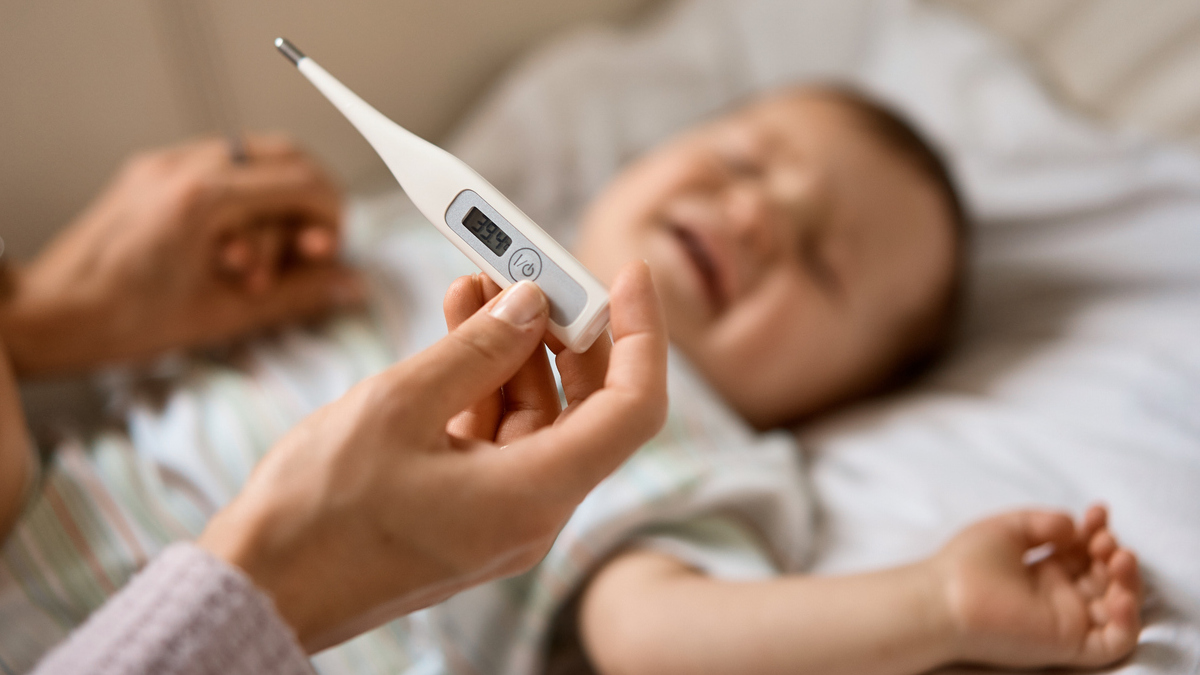
Among the most dangerous infections caused by this bacterium there is meningitis. From the introduction of vaccines, cases have decreased by 90%, but that’s why the guard should not be lowered
Vaccination day for Chiara, a girl who is about to perform 3 months. Francesca and Luca, her parents, know that vaccines represent the best form of prevention to protect children from certain diseases. Except that this particular vaccine, called hib vaccine, have never heard of it before. “Protect fromHaemophilus influenzae Type B … », the pediatrician contacted by telephone, explains, then explaining in depth of what it is.
But what is haemophilus influenzae type B? Is it dangerous? And why do you have to vaccinate children so early?
Haemophilus influenzae type B (hib, in fact) is a bacterium which, before the introduction of vaccination, represented one of the most fearful “enemies” of early childhood. In fact, it can affect small children causing very serious infections such as meningitis, epiglottitis, pneumonia and sepsis. The most at risk band is the one under 5 years, in particular children under the year of age.
The name can deceive: Haemophilus influenzae has nothing to do with the seasonal flu virus. The term derives from a discovery occurred at the end of the nineteenth century, when it was thought that this bacterium was the cause of the flu. Only later did it be discovered that viruses are very different microorganisms, but the name has remained.
Haemophilus Influenzae: Symptoms and forms of illness
The different strains of haemophilus influenzae are divided into two large groups: typed strains (from A to F) and not typical (i.e. without polysaccharide capsule). Among all, the most aggressive is type B (hib), responsible for most serious infections in pediatric age. The other strains can however cause milder respiratory diseases, such as otitis or bronchitis, especially in adults or children with fragile immune defenses.
The infections from haemophilus influenzae type B are distinguished in non -invasive and invasive forms according to the symptoms:
- Non -invasive forms include media otitis, conjunctivitis and sinusitis. They present themselves with common symptoms such as fever, ears or eye secretion.
- Invasive forms occur when the bacterium enters the blood or central nervous system and cause serious pathologies such as meningitis, sepsis, epiglottitis or pneumonia.
One of the characteristics of this type of infection is that it evolves quickly. In a few hours an apparently healthy child can drastically get worse and the complications from Haemophilus influenzae, as already mentioned, can also be very serious.
The diagnosis of the Haemophilus influenzae takes place with specific analyzes of the blood or the cephalorachidian liquid (the fluid surrounding the brain and spinal cord).
Haemophilus influenzae and meningitis
Among the most dangerous infections caused by the Haemophilus influenzae type B there is, as mentioned, the meningitis, an inflammation of the menings (the membranes that cover brain and spinal cord) which affects above all under 5 years and which can progress very quickly. The symptoms of this condition include:
- high fever;
- irritability;
- drowsiness;
- vomit;
- convulsions;
- coma (in the most serious cases).
Before the introduction of the hib vaccine, hundreds of cases of hib meningitis were recorded in Italy every year, with a mortality rate around 5% and a risk of permanent neurological complications (such as deafness or motor difficulties) in 15-30% of cases. With vaccination, cases have lowered by 90%.
The meningitis from hib is rare today, but not completely disappeared: it can affect unvaccinated children or vulnerable subjects. The treatment is urgent and is based on intravenous antibiotics, but prevention remains the most effective strategy.
Haemphilus influenzae vaccine
Vaccination represents the best form of prevention for the Haemophilus influenzae.
The vaccine for the Haemophilus influenzae type B is safe and effective, introduced in the Italian vaccination calendar in 1999. Today it is administered at 3, 5 and 11 months, in combination with other vaccines (hexavalent).
This has allowed not only to protect individual children, but also to obtain protection for the community: when many are vaccinated, the bacterium circulates less, and even those who cannot receive the vaccine (such as babies or immunosuppressed) is more protected.
The adverse reactions are rare and slight: a little fever or redness can appear at the seat of the injection. The benefits of prevention far exceed risks.
Haemophilus Influenzae: therapy
If prevention fails, it is essential to intervene early. The therapy of the haemophilus influenzae is based on antibiotics administered intravenously, such as third generation cephalosporins. In milder cases, such as respiratory forms, oral antibiotics can be used (for example amoxicillin-clavulanate).
However, one of the emerging problems is the antibiotic resistance of the Haemophilus influenzae, which is also being observed in Italy. This makes preventive vaccination even more important, to avoid the use of increasingly complex and less effective therapies.
Haemophilus influenzae and adults
Although it is a pediatric disease, Haemophilus influenzae in adults is not to be underestimated, especially in fragile or immunosuppressed subjects. In the elderly with chronic lung diseases it can cause reliability of bronchitis and pneumonia. However, in children the disease presents itself in a more aggressive and sudden way, which is why early vaccination is fundamental.
Conclusion: protecting means preventing Francesca and Luca, vaccinating Chiara against Haemophilus Influentee type B represents a gesture of care, prevention and responsibility for the small and entire community. Thanks to vaccination, many diseases that were once scary, today they have become rare. But for this reason, it is important not to lower the guard. Protecting children also means remembering what we are safeguarding them from.
