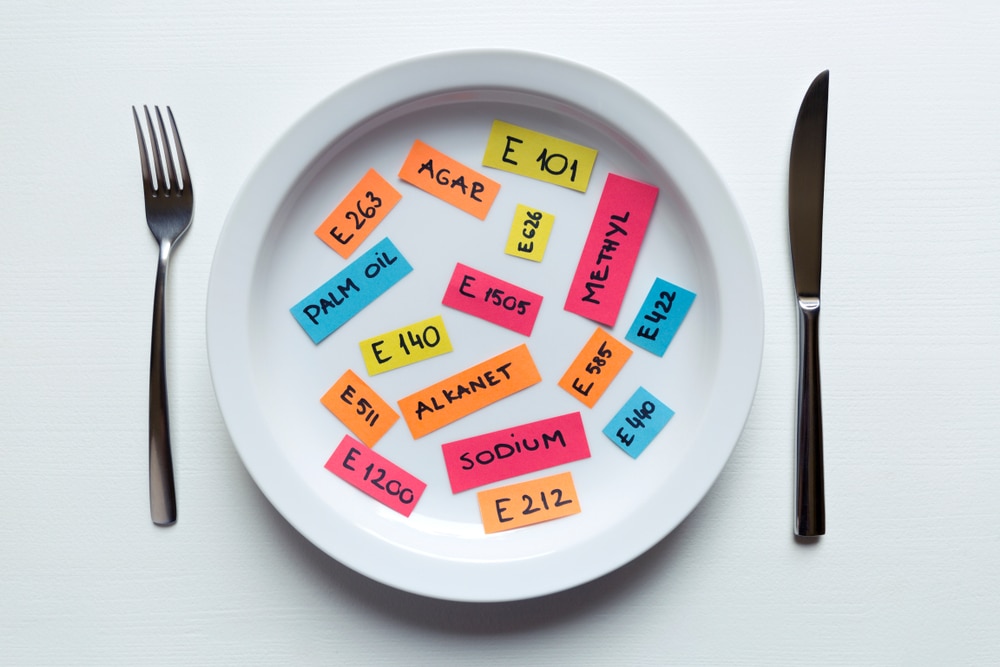
Preservatives that prolong the life of ultra-processed foods could shorten ours: diabetes and cancer are more likely in those who consume them.
Massive consumption of preservatives, food additives that delay the deterioration of food, is associated with two of the most impactful chronic diseases of our time: type 2 diabetes and cancer.
An important French study which for years has meticulously followed the eating habits of over 100,000 people has found a link between the high intake of these substances, which are very common in ultra-processed foods, and a higher risk of type 2 diabetes and some types of cancer, such as breast or colorectal cancer.
The results of the two studies (diabetes and cancer), which are part of the same multi-year project, were published respectively on Nature Communications and on BMJ.
A 14 year long analysis
The research was conducted by a group of scientists from the Institut national de la santé et de la recherche médicale (Inserm), the Institut national de la recherche agronomique, the Sorbonne University of Paris, the Paris Cité University and the Cnam, as part of the research group on nutritional epidemiology (CRESS-EREN). The working group on diabetes was coordinated by Mathilde Touvier, research director of Inserm, as well as one of the most authoritative voices in the world on ultra-processed subjects.
Between 2009 and 2023, researchers followed the eating habits, medical history, socio-demographic data and lifestyle of more than 108,700 people, who had to provide detailed accounts of what they had eaten over a 24-hour period at different points in the study. The volunteers also reported the name and specific brand of packaged foods consumed: this allowed them to precisely reconstruct their exposure to food additives, and preservatives in particular.
Two categories of preservatives
The team grouped preservatives into non-antioxidants (for example, preservatives that inhibit the growth of bacteria or hinder food spoilage by slowing the chemical changes that cause it); and antioxidants, which delay or prevent the “expiration” of foods by eliminating or reducing oxygen levels inside the packaging. European consumers can recognize these substances by the codes reported in the ingredient list: from E200 to E299, for non-antioxidant preservatives; and from E300 to E399, for antioxidant preservatives.
Of the 58 preservatives found in the foods eaten by the volunteers, the research group studied 17 in detail, because they were consumed by at least 10% of the study participants. Over the 14 years, a total of 1,131 cases of type 2 diabetes occurred among the people followed: higher consumption of preservatives in general was linked to an increased incidence of type 2 diabetes by 47%; that of non-antioxidants, by 49% and that of antioxidants by 40%, compared to the lowest levels of consumption.
Protect consumers
Preservatives that may be associated with an increased risk of diabetes include, the researchers write, “widely used non-antioxidant food preservatives such as potassium sorbate (E202), potassium metabisulfite (E224), sodium nitrite (E250), acetic acid (E260), sodium acetates (E262) and calcium propionate (E282), and antioxidant additives such as sodium ascorbate (E301). alpha-tocopherol (E307), sodium erythorbate (E316), citric acid (E330), phosphoric acid (E338) and rosemary extracts (E392).
In addition to an incentive for all of us to prefer fresh and minimally processed foods, the study – the first in the world to link these compounds to the incidence of type 2 diabetes – is an invitation to greater attention in the use of preservatives, with the aim of protecting consumers. Also because some of the same preservatives were associated, in the second study, with a moderate but higher incidence of some tumors.
Preservatives and the risk of cancer
During the analysis, conducted on over 105,000 participants over 14 years, 4,226 people developed cancer (mostly breast, prostate or colorectal). Among the 17 preservatives considered, 11 were not associated with cancer, nor was their total consumption.
But a higher intake of various preservatives, especially non-antioxidants such as potassium sorbate, potassium metabisulfite, sodium nitrite, potassium nitrate and acetic acid, was associated with a higher incidence of cancers compared to those who had not consumed these substances (or had consumed them in low quantities). For example, potassium sorbate was linked to a 14% increase in overall cancer risk and a 26% increase in breast cancer risk.
Although these are observational studies, which tell us nothing about a possible cause-effect relationship between preservatives and chronic diseases, the size of the sample, the duration of the analysis and the detail in the data collection suggest that we will hear more about these risks.
