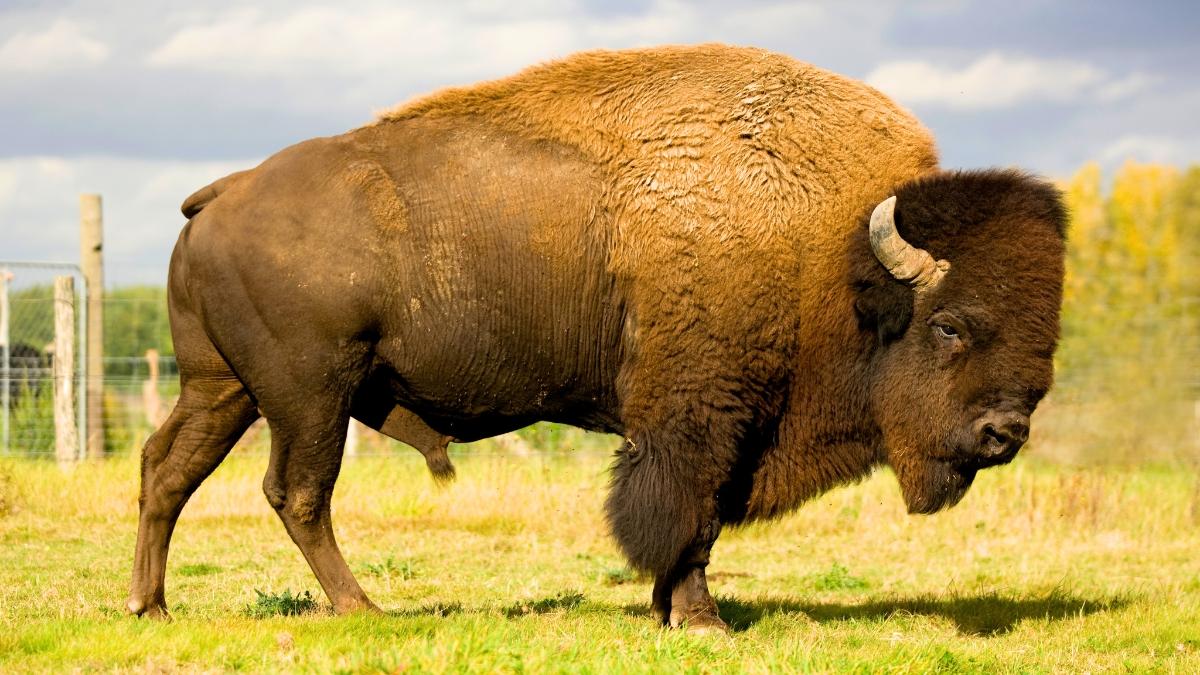
For more than a century, American bison (bison bison) ceased to be part of the landscape of this area of northern Mexico. Hunting and the transformation of the territory ended up expelling them from an ecosystem in which they had played a fundamental role for thousands of years. Now, their return is demonstrating the extent to which the absence of a single species can alter the functioning of nature.
In 2025, a total of 47 bison were reintroduced to the El Santuario Reserve, in Cuatrociénegas, Coahuila. Only a few months later, those responsible for the project have already observed signs of recovery: soil improvement, seed dispersal, reduction of dry vegetation and the return of animals that had not been detected in the area for a long time.
The case is becoming an example of the enormous impact that the recovery of a key species can have. The bison have not only reoccupied territory that was historically part of their range: with their daily behavior, they are helping to rebuild natural processes that had been lost.
47 bison will return in 2025 after more than a century of absence
The return began in August 2025, when three American bison were introduced to the El Santuario Reserve thanks to the collaboration between the Pro Cuatrociénegas Foundation and the Coahuila Desert Museum. A few months later, in November, another 44 specimens arrived from the conservation population in northern Mexico.
With this new herd, the American bison once again occupied a part of the Chihuahuan desert from which it had disappeared generations ago. The species was eliminated from this region as a consequence of human activity, especially intensive hunting and the progressive transformation of its habitat.
The reintroduction, however, did not have the sole objective of recovering an emblematic animal. The project also sought to restore the ecological functions that bison played in these grasslands.
For those responsible for the initiative, it is about recovering a species that originally belonged to this landscape. Gerardo Ruiz Smith, director of the Pro Cuatrociénegas Foundation, has defined the bison as a true “ecosystem engineer”, capable of modifying its environment and favoring numerous natural processes simply through its movements, its feeding and its interaction with the soil.
Why bison can transform an ecosystem with their daily activity
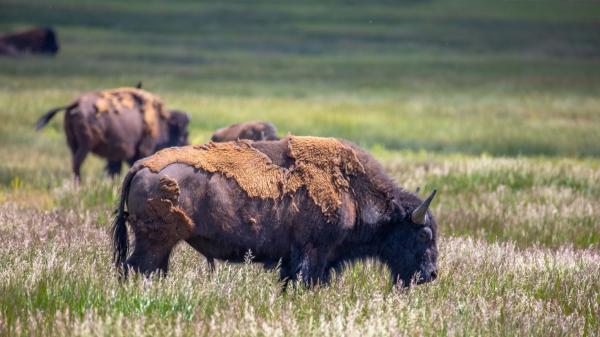
One of the most important effects is related to grazing. Bison consume some of the vegetation and help prevent excessive accumulation of dry plant matter on the ground. This can reduce the amount of fuel available for fires and make it more difficult for them to spread.
But his influence does not end there. These large animals, which can reach several hundred kilos, exert enormous pressure on the ground when walking and moving through the territory. Their hooves stir up the surface and generate small irregularities that can encourage the entry and infiltration of rainwater.
This process helps create more favorable conditions for vegetation. Instead of being a simple effect of the passage of animals, this constant alteration of the terrain is part of the natural dynamics of the ecosystems in which large herbivores evolved.
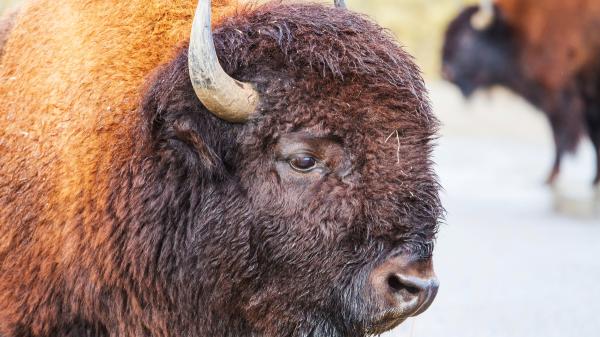
Bison also transport seeds from one place to another. Some remain attached to their thick fur and are later detached while the animals move and others are transported by ingesting them and then expelling them. All of this contributes to the dispersal of seeds of different plant species throughout the territory.
Added to all this is the role of their excrement. Manure serves as a resource for numerous organisms, including dung beetles. These insects bury part of the organic matter and, with their activity, contribute to the recycling of nutrients and the aeration of the soil.
In other words, the return of the bison does not just mean the presence of a new animal on the landscape. Its arrival reactivates a whole chain of interactions between plants, insects, soil and other animals.
The cameras have already detected the return of pumas, lynxes and peccaries
The changes observed in El Santuario are not limited to the soil and vegetation. According to those responsible for the project, the cameras installed to monitor the fauna have also recorded the presence of species that were not being observed in this area.
Among the animals detected are pumas, lynxes and collared peccaries. Its presence is especially significant because it shows how the recovery of ecological processes can indirectly benefit other species.
An ecosystem does not function as a sum of isolated organisms. Each species modifies, consumes or uses resources that can end up benefiting many others. Therefore, the loss of a large herbivore can generate consequences that go far beyond its own disappearance.
Birds have also been observed using the hair that bison lose to build their nests. It’s a seemingly small detail, but it illustrates the number of ecological relationships that can arise around a single species.
The recovery of biodiversity, therefore, does not depend solely on protecting individual animals. In many cases it is equally important to recover the interactions that kept the ecosystem functioning.
The bison returns to its role as “architect of the landscape”
The Cuatrociénegas experience demonstrates why some species are considered fundamental to their ecosystems. Bison do not need to take any special action to restore territory: they graze, walk, move, and leave behind organic matter, just as they did for generations.
However, the sum of all these activities has effects on vegetation, soil, water and other animals. Their presence can help rebuild an ecological dynamic that was interrupted when they disappeared from the region.
The reintroduction of the 47 individuals is still recent and it will be necessary to continue studying the evolution of the herd and the ecosystem over the coming years. Even so, the first signs observed in the reserve show the potential to recover key species in places where they were historically part of nature.
After decades of absence, the return of the bison is offering an unexpected opportunity to see how an ecosystem responds when one of its former protagonists recovers. And for now, nature seems to be quickly seizing that opportunity.
If you want to read more articles similar to Mexico reintroduced 47 bison after more than 100 years missing: months later, nature begins to recover the ecosystem, we recommend that you enter our Ecosystems category.
