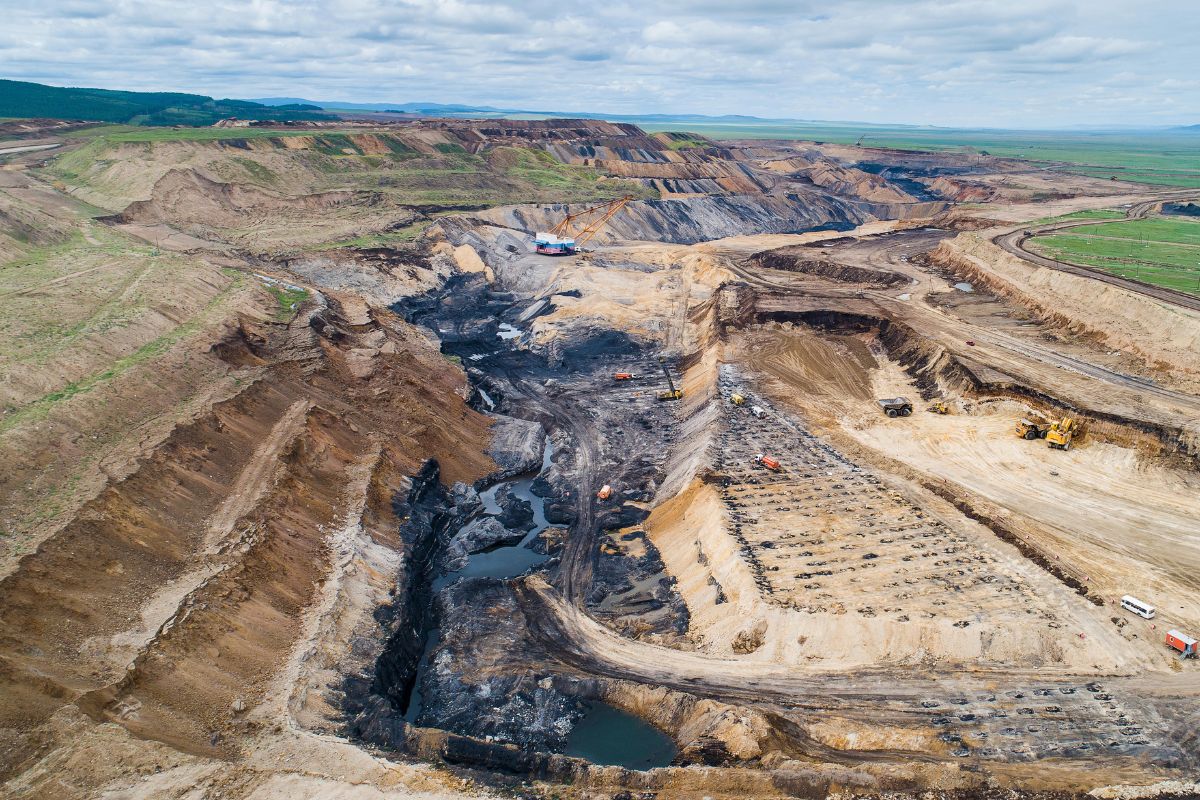
The discovery of a colossal mineral deposit nestled within the Andean mountain range has captured international attention, promising to reshape global resource markets. This extraordinary find contains 13 million tonnes of copper, complemented by substantial reserves of gold and silver that position it among the most significant mining discoveries in decades.
Unprecedented mineral wealth in the Vicuña district
Located across the border between Argentina’s San Juan province and Chile’s Atacama region, the Vicuña mineral district harbors what experts describe as the largest discovery of its kind in thirty years. The site encompasses two major deposits: Filo del Sol and Josemaría, which collectively contain not only the massive copper reserves but also 32 million ounces of gold and an impressive 659 million ounces of silver.
Jack Lundin, executive director of Canadian mining company Lundin Mining, emphasizes the historical significance of this find. The company, which co-leads the project alongside Australian mining giant BHP, describes the deposit as having the world’s highest-grade open-pit copper content. This exceptional quality positions the site to become one of the planet’s largest gold and silver producers simultaneously.
The geological formation of these deposits tells a fascinating story of tectonic forces. Massive plate collisions created conditions for molten rock to rise through Earth’s crust, carrying mineral-rich fluids through fractures. As these fluids cooled, they crystallized into the rich metallic veins discovered today. Such geological processes, occurring over millions of years, have created this treasure trove beneath the Andes mountains.
Economic implications and global market dynamics
The strategic importance of this discovery extends far beyond its immediate monetary value. Copper plays a crucial role in green technology infrastructure, while silver dominates electronics and solar panel manufacturing. Gold remains fundamental in computing and aerospace industries, ensuring sustained demand for these precious metals.
Industry analysts predict this discovery will trigger substantial foreign investment flows into the region. The economic impact could be transformative, particularly considering how China extended influence in Latin America through strategic resource partnerships. Such developments often parallel technological advancement patterns, similar to how United States wondered how China had made such progress in microchips through companies like Huawei and Xiaomi.
| Metal Type | Quantity | Primary Applications |
|---|---|---|
| Copper | 13 million tonnes | Green technology, electrical infrastructure |
| Gold | 32 million ounces | Computing, aerospace, jewelry |
| Silver | 659 million ounces | Electronics, solar panels, medical devices |
The timing of this discovery coincides with increasing global trade tensions. While countries like Trump wants to increase tariffs for India, and less trade because of tariffs affects North America, secure mineral resources become increasingly valuable for economic stability.
Technical development and environmental considerations
Both mining companies are preparing a comprehensive technical report scheduled for the first quarter of 2026. This document will outline detailed extraction strategies, economic projections, and crucial environmental impact assessments. The thorough planning process reflects the industry’s evolved approach to responsible mining practices in sensitive ecological regions.
The development timeline includes several critical phases:
- Completion of environmental impact studies
- Infrastructure development planning
- Community engagement programs
- Regulatory approval processes
- Construction and operational phases
Environmental concerns remain paramount, particularly given the pristine Andean ecosystem surrounding the deposits. Modern mining techniques emphasize sustainable extraction methods that minimize ecological disruption while maximizing resource recovery efficiency.
Regional transformation and community benefits
Local communities anticipate significant positive changes from this massive mining project. Economic experts predict the creation of thousands of direct and indirect employment opportunities, potentially revitalizing a historically marginalized region. The influx of investment could modernize transportation networks, educational systems, and healthcare infrastructure.
An Earth.com analyst describes this as a unique opportunity for Argentina and Chile to modernize their infrastructure comprehensively. Rural communities particularly hope to benefit from improved connectivity and economic opportunities that have long been limited in remote Andean regions.
The project’s success will largely depend on ensuring that economic benefits reach local populations rather than being monopolized by large corporations. Community leaders advocate for transparent benefit-sharing agreements that guarantee long-term prosperity for indigenous and rural populations who have stewarded these lands for generations.
This discovery represents more than mere resource extraction; it symbolizes potential regional transformation. The careful balance between economic development and environmental protection will determine whether this becomes a model for sustainable mining or another cautionary tale of resource exploitation in sensitive ecosystems.
