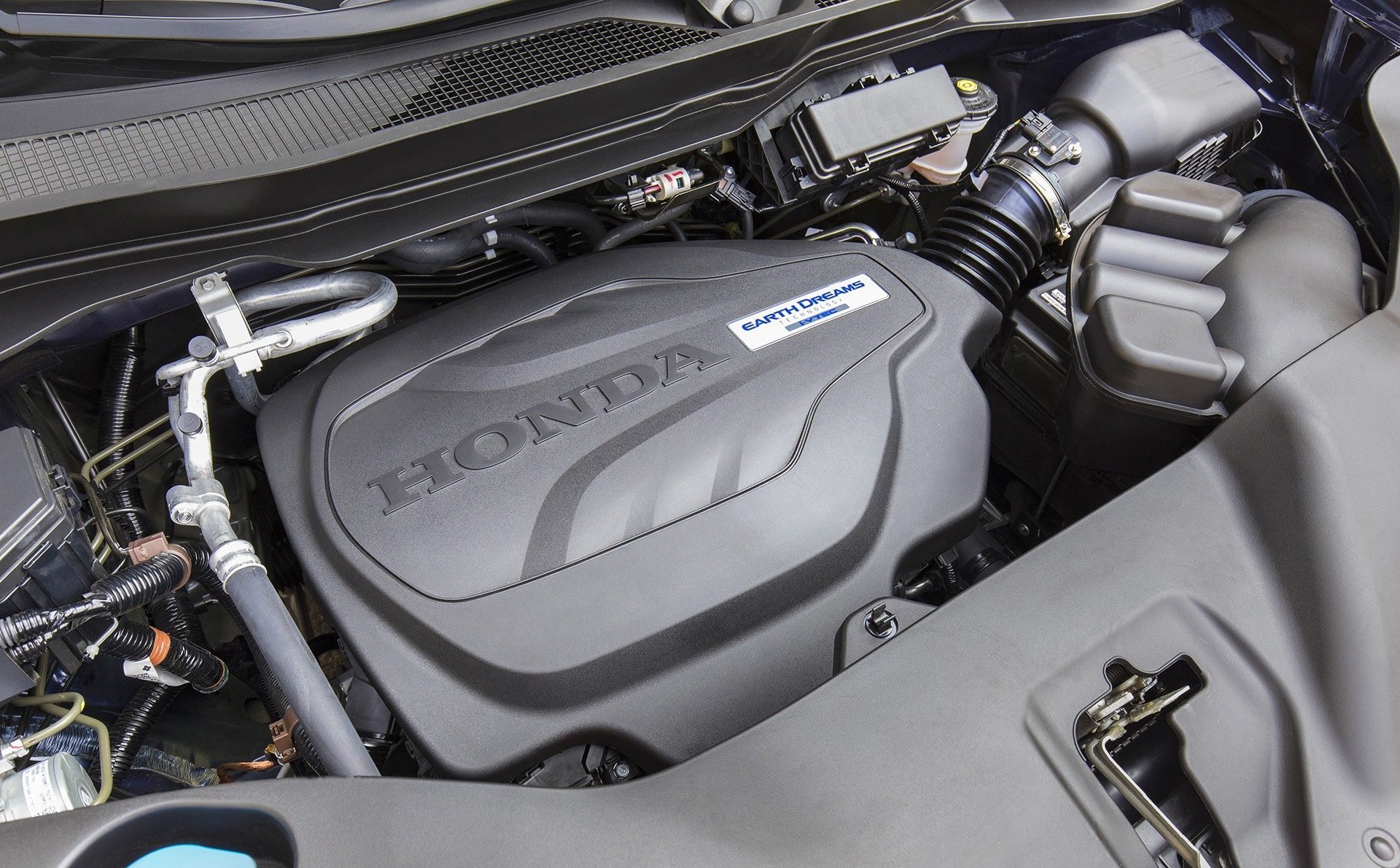
Honda, widely recognized as one of the most reliable automotive manufacturers alongside Toyota, now faces scrutiny from federal safety regulators. The Japanese automaker finds itself under investigation by the National Highway Traffic Safety Administration (NHTSA) following reports of over 3,000 engine failures affecting its V6 3.5-liter powerplant. This preliminary evaluation could potentially impact more than 1.4 million vehicles manufactured between 2016 and 2020, marking a significant challenge for the brand’s sterling reputation.
NHTSA launches investigation into Honda engine reliability concerns
The federal transportation agency has initiated a preliminary evaluation after receiving numerous complaints about catastrophic engine failures. These incidents primarily involve bearing rod failures in Honda’s V6 3.5-liter engine, a powertrain widely used across multiple model lines. The NHTSA’s Office of Defects Investigation (ODI) determined that the frequency and severity of these failures warrant comprehensive examination to assess potential safety implications.
Three accidents and fires have been linked to these mechanical breakdowns, raising additional safety concerns. The agency aims to evaluate the full scope of the problem and determine whether these failures pose genuine risks to vehicle occupants. This investigation represents a significant development for Honda, whose engines typically deliver exceptional longevity and dependability throughout their service life.
The timing of this investigation proves particularly concerning, as Honda had already conducted a recall of approximately 250,000 vehicles in 2023 for similar crankshaft manufacturing defects. However, the newly reported failures fall outside that previous recall’s parameters, suggesting a broader systematic issue with this particular engine architecture.
| Investigation Details | Specifications |
|---|---|
| Affected Vehicles | 1.4 million units |
| Production Years | 2016-2020 |
| Reported Failures | Over 3,000 cases |
| Safety Incidents | 3 accidents/fires |
Affected Honda and Acura models face potential recall
The V6 3.5-liter engine powers several popular Honda and Acura models across North American markets. Honda Pilot SUVs, Ridgeline pickup trucks, and Odyssey minivans utilize this powerplant, alongside Acura’s TLX sedans and MDX luxury SUVs. While this engine never reached European markets in these applications, its widespread use in North America makes this investigation particularly significant for Honda’s operations.
The bearing rod failures typically occur without warning, potentially leaving drivers stranded or facing dangerous situations. Modern automotive technology has evolved considerably, much like how advanced robotics transform industrial networks, yet fundamental mechanical components still require precise manufacturing tolerances to ensure reliability.
European Honda customers remain unaffected by this specific investigation, as none of these models receive official distribution there. However, the brand has conducted several recalls in Europe throughout 2025, addressing steering system defects and fuel pump malfunctions in various models.
Technical analysis reveals bearing rod vulnerability
The suspected mechanical failure involves bearing rod components within the V6 3.5-liter engine’s internal architecture. These critical components support the connecting rods that transfer power from pistons to the crankshaft. When bearing rods fail, catastrophic engine damage typically follows, often requiring complete powertrain replacement.
Manufacturing tolerances for these components demand exceptional precision, similar to the exacting standards required when selecting quality computer hardware components for optimal performance. Any deviation from specifications can result in premature wear, inadequate lubrication, or complete mechanical failure.
The investigation focuses on determining whether these failures stem from :
- Manufacturing defects in bearing rod production
- Inadequate quality control procedures
- Design flaws affecting component durability
- Insufficient lubrication system performance
- Material composition irregularities
Honda’s previous recall addressed crankshaft manufacturing issues, suggesting potential systemic problems within this engine family’s production processes. The company must now demonstrate whether current failures represent isolated incidents or indicate broader manufacturing concerns requiring comprehensive remediation.
Financial implications and industry reputation impact
Repairing bearing rod failures requires extensive engine disassembly, demanding significant labor hours and specialized expertise. A potential recall could cost Honda millions of dollars, considering the complexity of these repairs and the substantial number of affected vehicles. The financial burden extends beyond immediate repair costs to include administrative expenses, dealer coordination, and potential legal settlements.
This investigation arrives during a period of intense automotive industry transformation, where manufacturers balance traditional reliability expectations with rapid technological advancement. Just as aerospace organizations depend on proven technology partnerships, automotive consumers rely on established brands maintaining consistent quality standards.
Honda’s reputation for exceptional reliability has historically differentiated it from competitors, making this investigation particularly significant for brand perception. The company must address these concerns promptly while maintaining consumer confidence in its engineering capabilities. Additionally, infrastructure improvements that could eliminate traffic congestion become meaningless if vehicles themselves prove unreliable.
The outcome of this NHTSA investigation will significantly influence Honda’s market position and consumer trust. Whether the agency determines these failures warrant a formal recall or represent isolated incidents will shape public perception of Honda’s commitment to quality and safety standards moving forward.
