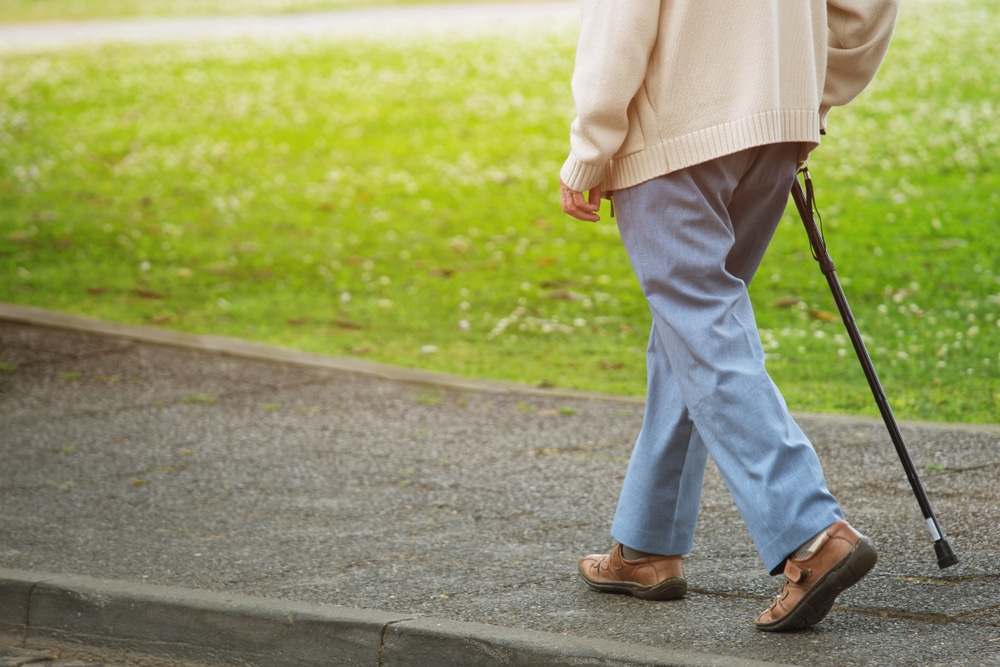
Small doses of exercise are enough to build cognitive resilience in people who present the early typical features of Alzheimer’s.
Small, contained spaces of daily physical activity could slow the progression of Alzheimer’s in individuals who are most at risk of this form of dementia. Moderate daily exercise was associated with slower cognitive decline in adults with high levels of beta-amyloid protein (a substance in excess of which is neurotoxic) in the brain. This was revealed by a study on Nature Medicinewhich confirms that exercise is an active form of cognitive health protection.
Monitor yourself for a long time
The study involved almost 300 patients between the ages of 50 and 90 who were part of the Harvard Aging Brain Study, a clinical study that aims to understand what are the first changes that lead the brain to deviate from the normal trajectory of aging up to Alzheimer’s-type dementia.
Scientists at Mass General Brigham in Boston used PET (Positron Emission Tomography) scanning to measure the spread of beta-amyloid protein plaques and tau protein tangles in the patients’ brains (the two types of neurotoxic accumulations in Alzheimer’s brains), and analyzed the participants’ daily physical activity with wrist-based trackers.
The subjects’ cognitive health was assessed for an average of 9.3 years, and a small portion of them continued to undergo PET scanning to track any changes in the concentrations of the two proteins.
Steps towards prevention
A higher number of steps taken on the pedometer was linked to slower cognitive decline and slower accumulation of tau protein in participants who were already starting from high levels of amyloid deposits. Elevated concentrations of brain beta-amyloid protein are typical of the preclinical phase of Alzheimer’s, even in the absence of cognitive decline, while tau accumulations are characteristic of the more advanced form of the disease.
In people who had habitually taken 3,000-5,000 steps a day, cognitive decline was delayed by an average of 3 years, and in those who had taken 5,000-7,000 steps, by even 7 years. In contrast, sedentary people experienced a much faster accumulation of tau and a more rapid cognitive decline in daily activities.
Instead, in patients who initially showed very low levels of beta-amyloid, and who were therefore not considered at risk of Alzheimer’s, little obvious accumulations of tau protein and cognitive decline over time were seen, and the influence of physical activity on the two was not noteworthy.
Exercise as medicine
Further studies will need to ascertain which aspect of exercise specifically is protective for the brain – for example: intensity? – and also what physiological mechanism links physical activity, tau accumulation and cognitive decline. The goal is to develop more precise protocols to slow down pathological aging in the brain, especially in people who are most at risk of Alzheimer’s. For the moment, the good news is that we all possess a very effective weapon to make the brain more resistant to the dangers of this form of dementia. Every step counts.
