
Viviparous animals are those that, unlike other groups of animals, do not lay eggs. One of its most notable characteristics is that viviparous animals develop their young inside the mother’s body. Our pets, such as dogs or cats, and humans, are clear examples of viviparous animals. In this BIOencyclopedia article we will learn more about what viviparous animals are, characteristics and examples.
What are viviparous animals?
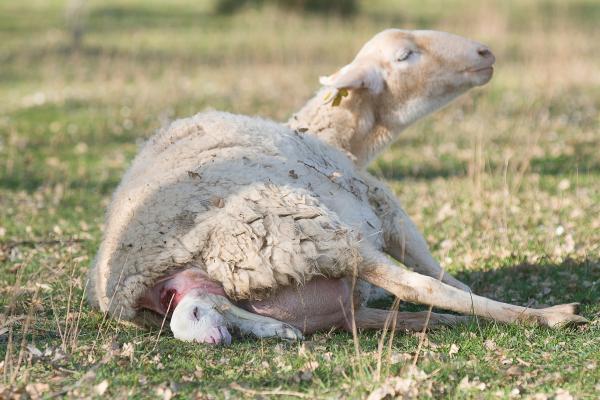
Viviparous animals are those that, unlike other groups of animals, do not lay eggs. Instead, their young develop internally in the mother’s body until they are ready to be born. This process, known as viviparity, allows viviparous animals to provide a safe and controlled environment for the development of their young. An example of this type of animal is mammals, such as humans, dogs or dolphins. Mammals are viviparous because their young grow inside the mother’s womb and, when they are born, they are relatively developed to survive.
This type of reproduction is very advantageous because the offspring can receive nutrients directly from the mother and are protected until birth. Thus, viviparous animals have a special way of ensuring the survival of their descendants in a world full of dangers.
What are the characteristics of viviparous animals?
- Internal development: The young develop inside the mother’s body.
- Placenta: In mammals, young are connected to the mother by a structure called the placenta, which provides them with nutrients and oxygen.
- They are born alive: unlike oviparous animals, which lay eggs, the offspring of viviparous animals are born fully formed or, in some cases, at an early stage of development.
- Maternal care: after birth, the offspring usually receive care and protection from the mother to ensure their survival.
- Greater parental investment: viviparous animals usually have fewer, but larger and more developed offspring at birth.
What are the types of reproduction of viviparous animals?
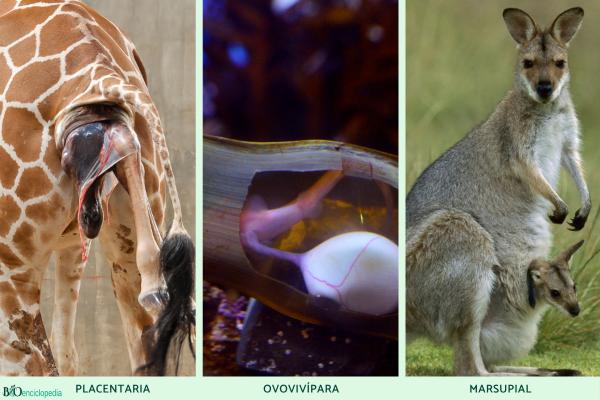
There are different forms of reproduction in viviparous animals, which may vary depending on the species. These types include:
- Placental viviparity: This is the most common type in mammals. In this form of reproduction, the offspring develop in the mother’s uterus, where they are fed through the placenta. The placenta is an organ that connects the mother with the offspring, allowing the exchange of nutrients, gases and waste. This process ensures that the pups are well fed and protected during pregnancy. An example of animals with placental viviparity are humans, lions, horses and whales.
- Ovoviviparous viviparity: Some animals, such as certain sharks and reptiles, have a less common form of viviparity, called ovoviviparity. In this case, the eggs develop internally in the mother, but there is no placenta. The young feed on the contents of the egg, and once they are fully developed, they are born alive. This type of reproduction is found in species such as hammerhead sharks and some snakes.
- Marsupial viviparity: Marsupials, such as kangaroos and koalas, have a special form of viviparity. Although the babies are born very prematurely, they later develop in a special pouch that the mother has in her abdomen. There, the young continue their growth and receive protection and food from the mother until they are large enough to survive outside the pouch.
What are examples of viviparous animals?
In this section we will learn which animals are viviparous. Among the best-known examples are:
- Dolphins: which give birth to fully formed young that can swim shortly after birth.
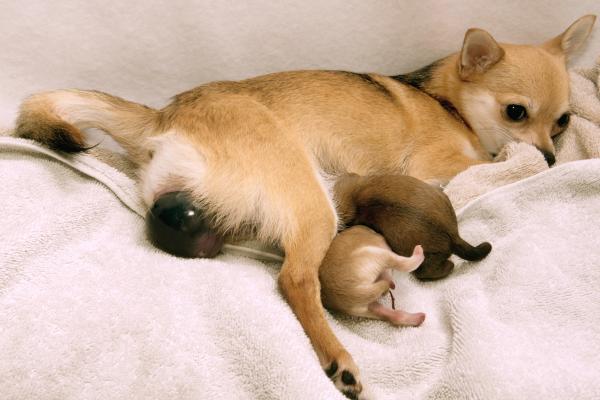
- Dogs: whose offspring grow inside the uterus and receive food through the placenta.
- Cats: they follow the same pattern, where the babies are born in an advanced state and are cared for by their mother during the first days.
- Elephants: gestation is very long, lasting up to 22 months, which ensures that the calves are born well developed.
- Humans: We are also viviparous, and our young develop internally until they are ready for birth.
Mammals are not the only viviparous animals, although they are the most representative, since some sharks and reptiles also follow this pattern.
What is the difference between viviparous and oviparous animals?
The main difference between viviparous and oviparous animals lies in the way their young develop.
- Viviparous animals: such as mammals, for example, they give birth to young that develop internally within the mother’s body. These animals do not lay eggs; Their babies grow inside the uterus, protected by the placenta, and receive all the nutrients and oxygen they need through this organ.
- Oviparous animals: they are those that lay eggs, within which their offspring develop externally. Reptiles, birds, and many insects are examples of oviparous animals. In these cases, the young obtain nutrients from a food sac inside the egg, and once the egg hatches, the young are ready to go out into the outside world.
While viviparous animals take care of their young during pregnancy and after birth, oviparous animals tend to take less care of their young once they are born.
If you want to read more articles similar to Viviparous animals: what they are, characteristics and examples, we recommend that you enter our Biodiversity category.
- Fusco, G. and Minelli, A. (2019). The Biology of Reproduction in Animals. Cambridge University Press.
- Vonk, J. and Shackelford, T. (2022). Encyclopedia of Animal Cognition and Behavior.
