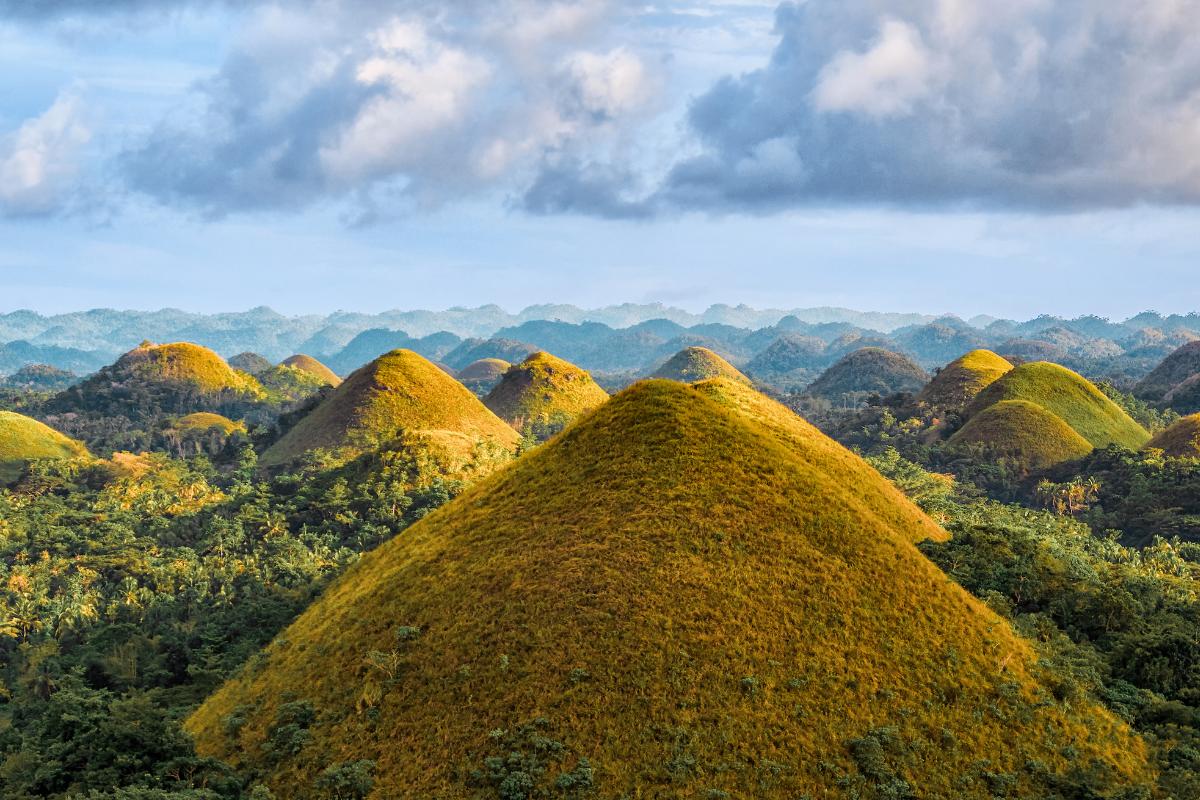
What is a hill, types and how it is formed

What is a hill, types and how it is formed

By Dr. Kyle Muller

A hill is a natural elevation of the terrain that is distinguished from mountains by its lower altitude and gentler slopes. Although both are geological formations, the hills are usually lower and less pronounced, with heights that rarely exceed 600 to 700 meters above the surrounding terrain. These hills have cultural and environmental importance. For this reason, we are going to dedicate this Evidence Network article to telling you what a hill is, its types and how it is formed.

What is a hill

A hill is a natural elevation of the terrain, generally lower in altitude and extent than a mountain, but more prominent than a hill. They are formed over millions of years due to various geological processes, such as erosion, the folding of tectonic layers, volcanic activity or even the movement of Earth’s plates that push the crust upward.

Unlike mountains, which usually have sharp peaks and altitudes greater than 600 or 700 meters above sea level, hills usually have softer and rounder shapes, although they can also have steep slopes and rocky areas depending on their geological composition.

The hills also have a significant impact on the local climate and the ecosystems that surround them. They can act as natural barriers to winds and air masses, influencing precipitation and temperatures in nearby regions. In addition, they serve as a refuge for numerous animal and plant species, many of which are specifically adapted to the particular conditions of altitude, soil and sun exposure that these lands offer.

In many cases, hills have an important cultural and symbolic value for human communities. Throughout history, they have been used as landmarks for navigation, sacred places for religious ceremonies or even as natural fortresses for military defense.

What is a hill, types and how it is formed - What is a hill

Types of hills

There are various types of hills, which can be classified according to their geological origin, morphology and location:

  • Isolated hill: also known as island hill, it is an elevation that is isolated from other mountain formations. Generally, these hills stand out on flat terrain and are usually formed by erosion processes that leave a more resistant structure in the center.
  • Witness hill: this type of hill is the remnant of an ancient plateau or more extensive formation that has been eroded over time. They remain as “witnesses” of the relief that existed previously and usually have a tabular or plateau shape at their top.
  • Volcanic hill: they originate as a result of volcanic activity, either due to the accumulation of solidified lava, volcanic ash or pyroclastic material. They usually have well-defined cones and, sometimes, they can be inactive or extinct, becoming hills with abundant vegetation.
  • Residual hill: these hills are the result of differential erosion, in which the softer parts of the terrain wear away and disappear, while the most resistant materials remain as isolated hills.
  • Ridge or mountain range: unlike isolated hills, these are part of connected elevation systems, such as mountain chains or mountain ranges.

How a hill is formed

Hills can form through a variety of geological processes that act over millions of years. Although each hill has its own geological history, the most common mechanisms include tectonic activity, differential erosion and volcanic processes:

Tectonic processes

Hills can arise as a result of movements in the tectonic plates that make up the Earth’s crust. These movements can be of several types:

  • Folding: When two tectonic plates collide, the resulting pressure can cause rock layers to fold upward, forming rises on the surface.
  • Faults and raised blocks: In some cases, tectonic forces cause fractures in the Earth’s crust, known as faults. If a portion of the terrain is elevated relative to the surrounding area along these faults, a hill can form.

volcanic activity

Many hills have their origin in ancient volcanic eruptions. When magma rises from the Earth’s interior and solidifies on the surface, it can form volcanic cones, which over time erode and become hills.

viferential erosion

This process occurs when materials of different strengths are exposed to the elements, such as wind, rain, and temperature changes. The softer rocks erode quickly, while the more resistant ones remain, forming residual hills.

Sedimentation and accumulation of materials

In some cases, hills are formed by the accumulation of sediments transported by rivers, wind or glaciers. These materials compact and solidify over time, creating elevations that eventually become hills.

Later erosive factors

Even after being formed, a hill continues to shape itself over time. Wind, rain, snow and temperature changes continue to wear down its flanks and summit, giving it unique shapes and characteristics. This is what explains why two hills of similar origin can have completely different shapes.

What is a hill, types and how it is formed - How a hill is formed

Difference between hill and mountain

Height and elevation

  • Hill: Generally, a hill is a moderate elevation of terrain, with heights rarely exceeding 600 to 700 meters above the surrounding ground level.
  • Mountain: it is usually much higher, with altitudes that easily exceed 1,000 meters above sea level.

Slope and profile

  • Hill: generally has gentler slopes and less pronounced summits, which facilitates the growth of vegetation and the presence of natural paths in some cases.
  • Mountain: has much steeper slopes and steep summits, often with rocky and challenging walls for climbing.

Geological formation

  • Hill: usually formed by differential erosion processes, moderate volcanic activity or deformation of rock layers without intense tectonic activity.
  • Mountain: they are mostly formed by the collision of tectonic plates, folding and faulting processes or massive volcanic activity.

Climate and vegetation

  • Cerro: having a lower altitude, it usually has milder climates and richer soils, which allows for a greater diversity of plants and animals.
  • Mountain: often has extreme climates, with low temperatures, strong winds and less oxygen at altitude, which limits the type of vegetation that can survive there, such as mosses, lichens and, in some cases, small cold-resistant shrubs.

Human and cultural use

  • Hill: it is more accessible for human activities such as agriculture, livestock and hiking. Additionally, many hills have symbolic or spiritual value to local cultures, such as places of worship or landmarks.
  • Mountain: Although they can also have cultural and spiritual importance, mountains often represent greater physical and symbolic challenges, being considered “roofs of the world” or symbols of greatness and strength.

If you want to read more articles similar to What is a hill, types and how it is formed, we recommend that you enter our Other environment category.

Literature
  • Differences.cc. (sf). Difference between hill and mountain. Available at: https://www.diferences.cc/cerro-montana/
  • Rosenberg, M. (2025, May 5). Difference Between Hills and Mountains. ThoughtCo. Available at: https://www.thoughtco.com/difference-between-hill-and-mountain-4071583

Kyle Muller
About the author
Dr. Kyle Muller
Dr. Kyle Mueller is a Research Analyst at the Harris County Juvenile Probation Department in Houston, Texas. He earned his Ph.D. in Criminal Justice from Texas State University in 2019, where his dissertation was supervised by Dr. Scott Bowman. Dr. Mueller's research focuses on juvenile justice policies and evidence-based interventions aimed at reducing recidivism among youth offenders. His work has been instrumental in shaping data-driven strategies within the juvenile justice system, emphasizing rehabilitation and community engagement.
Published in

Leave a comment

fifteen − 5 =

A hill is a natural elevation of the terrain that is distinguished from mountains by its lower altitude and gentler slopes. Although both are geological formations, the hills are usually lower and less pronounced, with heights that rarely exceed 600 to 700 meters above the surrounding terrain. These hills have cultural and environmental importance. For this reason, we are going to dedicate this Evidence Network article to telling you what a hill is, its types and how it is formed.

What is a hill

A hill is a natural elevation of the terrain, generally lower in altitude and extent than a mountain, but more prominent than a hill. They are formed over millions of years due to various geological processes, such as erosion, the folding of tectonic layers, volcanic activity or even the movement of Earth’s plates that push the crust upward.

Unlike mountains, which usually have sharp peaks and altitudes greater than 600 or 700 meters above sea level, hills usually have softer and rounder shapes, although they can also have steep slopes and rocky areas depending on their geological composition.

The hills also have a significant impact on the local climate and the ecosystems that surround them. They can act as natural barriers to winds and air masses, influencing precipitation and temperatures in nearby regions. In addition, they serve as a refuge for numerous animal and plant species, many of which are specifically adapted to the particular conditions of altitude, soil and sun exposure that these lands offer.

In many cases, hills have an important cultural and symbolic value for human communities. Throughout history, they have been used as landmarks for navigation, sacred places for religious ceremonies or even as natural fortresses for military defense.

What is a hill, types and how it is formed - What is a hill

Types of hills

There are various types of hills, which can be classified according to their geological origin, morphology and location:

  • Isolated hill: also known as island hill, it is an elevation that is isolated from other mountain formations. Generally, these hills stand out on flat terrain and are usually formed by erosion processes that leave a more resistant structure in the center.
  • Witness hill: this type of hill is the remnant of an ancient plateau or more extensive formation that has been eroded over time. They remain as “witnesses” of the relief that existed previously and usually have a tabular or plateau shape at their top.
  • Volcanic hill: they originate as a result of volcanic activity, either due to the accumulation of solidified lava, volcanic ash or pyroclastic material. They usually have well-defined cones and, sometimes, they can be inactive or extinct, becoming hills with abundant vegetation.
  • Residual hill: these hills are the result of differential erosion, in which the softer parts of the terrain wear away and disappear, while the most resistant materials remain as isolated hills.
  • Ridge or mountain range: unlike isolated hills, these are part of connected elevation systems, such as mountain chains or mountain ranges.

How a hill is formed

Hills can form through a variety of geological processes that act over millions of years. Although each hill has its own geological history, the most common mechanisms include tectonic activity, differential erosion and volcanic processes:

Tectonic processes

Hills can arise as a result of movements in the tectonic plates that make up the Earth’s crust. These movements can be of several types:

  • Folding: When two tectonic plates collide, the resulting pressure can cause rock layers to fold upward, forming rises on the surface.
  • Faults and raised blocks: In some cases, tectonic forces cause fractures in the Earth’s crust, known as faults. If a portion of the terrain is elevated relative to the surrounding area along these faults, a hill can form.

volcanic activity

Many hills have their origin in ancient volcanic eruptions. When magma rises from the Earth’s interior and solidifies on the surface, it can form volcanic cones, which over time erode and become hills.

viferential erosion

This process occurs when materials of different strengths are exposed to the elements, such as wind, rain, and temperature changes. The softer rocks erode quickly, while the more resistant ones remain, forming residual hills.

Sedimentation and accumulation of materials

In some cases, hills are formed by the accumulation of sediments transported by rivers, wind or glaciers. These materials compact and solidify over time, creating elevations that eventually become hills.

Later erosive factors

Even after being formed, a hill continues to shape itself over time. Wind, rain, snow and temperature changes continue to wear down its flanks and summit, giving it unique shapes and characteristics. This is what explains why two hills of similar origin can have completely different shapes.

What is a hill, types and how it is formed - How a hill is formed

Difference between hill and mountain

Height and elevation

  • Hill: Generally, a hill is a moderate elevation of terrain, with heights rarely exceeding 600 to 700 meters above the surrounding ground level.
  • Mountain: it is usually much higher, with altitudes that easily exceed 1,000 meters above sea level.

Slope and profile

  • Hill: generally has gentler slopes and less pronounced summits, which facilitates the growth of vegetation and the presence of natural paths in some cases.
  • Mountain: has much steeper slopes and steep summits, often with rocky and challenging walls for climbing.

Geological formation

  • Hill: usually formed by differential erosion processes, moderate volcanic activity or deformation of rock layers without intense tectonic activity.
  • Mountain: they are mostly formed by the collision of tectonic plates, folding and faulting processes or massive volcanic activity.

Climate and vegetation

  • Cerro: having a lower altitude, it usually has milder climates and richer soils, which allows for a greater diversity of plants and animals.
  • Mountain: often has extreme climates, with low temperatures, strong winds and less oxygen at altitude, which limits the type of vegetation that can survive there, such as mosses, lichens and, in some cases, small cold-resistant shrubs.

Human and cultural use

  • Hill: it is more accessible for human activities such as agriculture, livestock and hiking. Additionally, many hills have symbolic or spiritual value to local cultures, such as places of worship or landmarks.
  • Mountain: Although they can also have cultural and spiritual importance, mountains often represent greater physical and symbolic challenges, being considered “roofs of the world” or symbols of greatness and strength.

If you want to read more articles similar to What is a hill, types and how it is formed, we recommend that you enter our Other environment category.

Literature
  • Differences.cc. (sf). Difference between hill and mountain. Available at: https://www.diferences.cc/cerro-montana/
  • Rosenberg, M. (2025, May 5). Difference Between Hills and Mountains. ThoughtCo. Available at: https://www.thoughtco.com/difference-between-hill-and-mountain-4071583
Kyle Muller
About the author
Dr. Kyle Muller
Dr. Kyle Mueller is a Research Analyst at the Harris County Juvenile Probation Department in Houston, Texas. He earned his Ph.D. in Criminal Justice from Texas State University in 2019, where his dissertation was supervised by Dr. Scott Bowman. Dr. Mueller's research focuses on juvenile justice policies and evidence-based interventions aimed at reducing recidivism among youth offenders. His work has been instrumental in shaping data-driven strategies within the juvenile justice system, emphasizing rehabilitation and community engagement.
Published in

Leave a comment

16 + 6 =