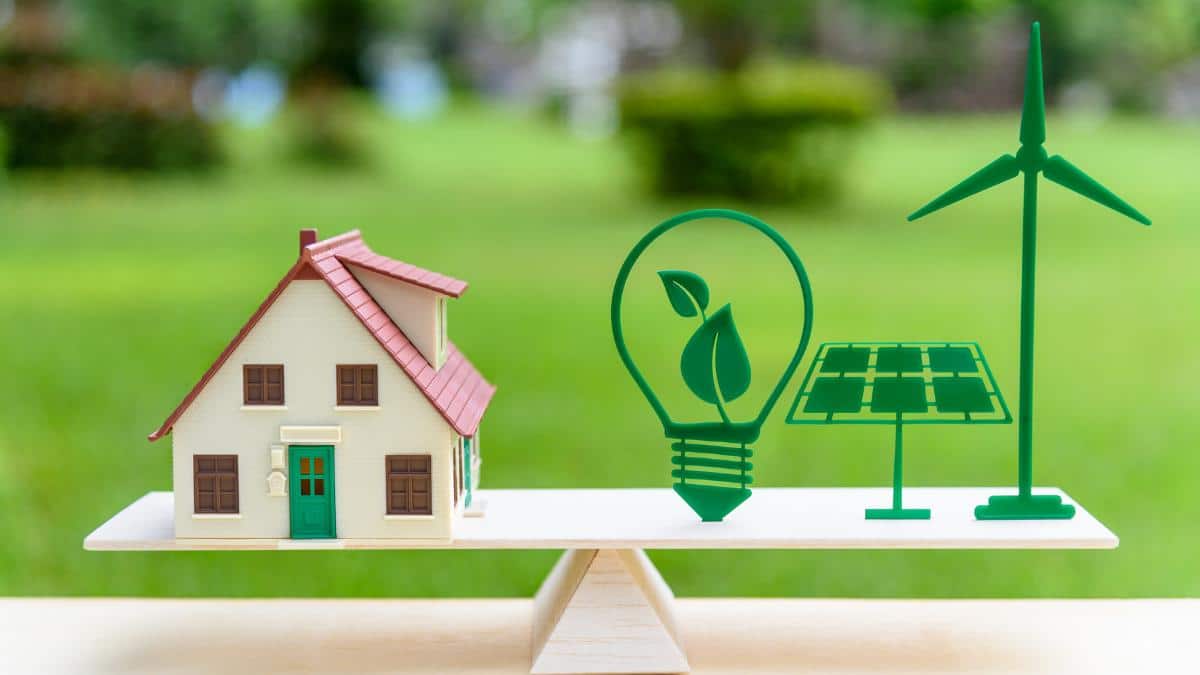
In simple terms, wind energy is obtained from the wind. The movement of air is transformed into mechanical energy through wind turbines, and subsequently into electrical energy, which makes it possible to take advantage of a natural and renewable resource in a much more sustainable way.
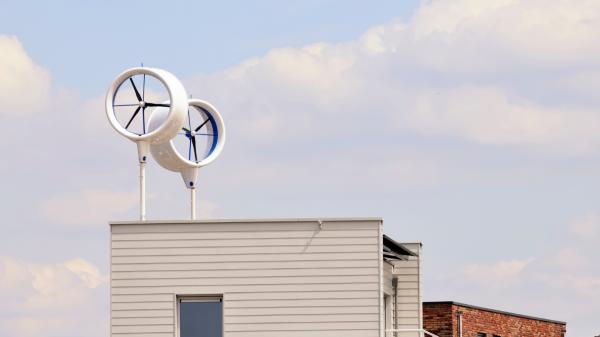
Within wind energy there is “mini wind”, a technology that uses wind turbines with a power of less than 100 kilowatts (Kw) intended for individual homes, small communities or businesses.
I am an environmentalist, I work as an adaptation analyst in climate action plans, and in Evidence Network I will tell you everything you need to know about wind energy for your home: how it works, what its main advantages are and what prices it has. You will see how this type of energy allows you to save costs and improve quality of life.
Main advantages of having wind energy at home: ”Generating your own energy allows you to save on your bill”
Installing a wind energy system at home offers multiple benefits, both economic and environmental. Thus, the most notable advantages of having this type of energy at home are the following:
Reduction of grid electricity consumption
By generating their own energy, homes can significantly reduce electricity costs, especially in windy areas, which translates into savings on the bill.
Environmental sustainability
Wind energy is clean and renewable. This means that it does not produce greenhouse gas emissions or pollution during its operation, contributing to the fight against climate change.
Energy independence
Having your own system allows you to reduce dependence on the electrical grid, which is especially useful in rural areas or areas with frequent power outages.
Incentives and subsidies
In some countries, the installation of domestic wind turbines can benefit from government aid, green credits or tax deductions. The recommendation is to consult the aid offered in the place of residence.
Complement to other renewable energies
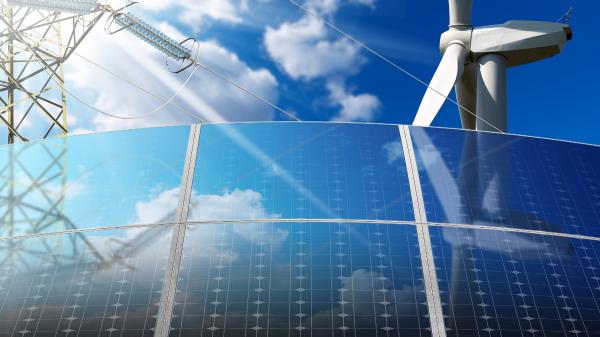
Wind energy can be combined with solar photovoltaic systems to also take advantage of solar energy, creating hybrid solutions that ensure supply even when there is no wind or sun.
Taking advantage of complicated orography
Domestic wind turbines can be installed on uneven terrain or hills, where wind energy can be even more constant and usable than on plains, allowing electricity to be generated in areas where other renewable sources would be less effective.
Ease of transportation and installation
The components of residential wind turbines are usually lightweight and modular, which makes them easy to transport to different locations and allows them to be installed even in hard-to-reach places without the need for heavy machinery.
Real ways to use wind energy at home
Wind energy generated at home not only serves to “save” on the bill. It can have different uses that depend on the size of the installed system and the needs and demand of each home. And yes, installing a wind turbine at home can make a real difference to a family’s daily life.
Now, what exactly can you do with a home wind turbine?
- Feed the home directly. Domestic wind turbines can be connected to an inverter that transforms the electrical energy generated into alternating current, usable for electrical appliances, lighting and heating.
- Store energy in batteries. For homes isolated from the electrical grid, wind energy can be stored in batteries. This allows power generated during windy periods to be used when it is needed most, ensuring continuous supply.
- Reduce network electricity consumption. Even in grid-connected homes, wind power can complement conventional electricity, reducing dependency and associated costs.
- Create a hybrid system. By combining wind turbines with solar panels, it is possible to optimize the generation of renewable energy, taking advantage of the wind and sun in a complementary way throughout the year.
The domestic use of wind energy requires a prior evaluation of the wind resource, that is, knowing the average wind speed in the area, since this will determine the efficiency and profitability of the system.
How does a home wind turbine convert wind into electricity?
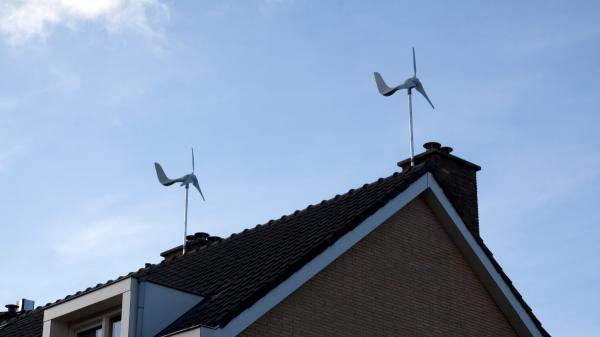
A home wind turbine converts the kinetic energy of the wind into electricity. Its basic operation includes the following components:
- Blades or rotor: they capture the wind and transform it into rotary movement. Efficiency depends on the design of the blades and the speed of the wind.
- Electric generator: connects the rotor to the generator that produces electricity. In domestic wind turbines, a direct current generator is usually used, which is then transformed into alternating current using an inverter.
- Tower: raises the blades to a certain height, since wind speed increases with height above the ground. For homes, towers usually measure between 10 and 30 meters.
- Controller or regulator: protects the system against overloads and ensures that the generator operates optimally. Some controllers include automatic systems that stop the blades when the wind is too strong.
- Batteries (optional): in off-grid systems, they store the energy generated for later use.
The principle is simple: the more wind and the more constant it is, the greater the electrical energy generated. Therefore, the location of the wind turbine is key, since clear areas with good exposure to the wind produce better results.
Which wind turbine is best for your home? Types and how much they cost
There are different types of domestic wind turbines, which vary according to the axis of rotation and power, which directly influences their price. Thus, among the factors that influence costs we have the height of the tower and quality of the materials, the power and efficiency of the wind turbine, the need for batteries for storage and the installation and local permits.
Horizontal axis wind turbines
They are the most common wind turbines, with blades that rotate on an axis parallel to the ground. They typically offer greater efficiency and power, but require taller towers and clear spaces.
- Typical power: 1 kW to 10 kW
- Approximate cost: €3,000 to €20,000, including tower, installation and controller.
Vertical axis wind turbines
In these domestic wind turbines the blades rotate around a vertical axis. They are more compact, quieter and can be installed near homes, although they are usually less efficient than horizontal ones.
- Typical power: 0.5 kW to 5 kW
- Approximate cost: €1,500 to €10,000, including tower and control system.
Hybrid systems (wind + solar)
They combine wind turbines with solar panels to generate energy throughout the year, optimizing production.
- Approximate cost: €5,000 to €25,000, depending on generation capacity and battery storage.
In general, the initial investment may be high, but the long-term savings on the electricity bill and the environmental benefits offset the cost, especially in windy areas that become a good wind resource.
If you want to read more articles similar to Wind energy for the home: what no one tells you about how it works and its price, we recommend that you enter our Renewable energies category.
- BBVA. (2024, July 29). Wind turbines: mini wind energy for your business and your home. BBVA.
