
When we think about plastic pollution on beaches, the image is usually always the same: bottles abandoned in the sand, bags floating in the water or single-use containers washed up by the waves. However, the problem goes far beyond these visible waste.
Many of the objects we use during a day at the beach are also related to the generation of microplastics, although most people are not aware of it. From the clothes we wear to some everyday accessories, numerous materials can end up contributing to pollution that, in most cases, is invisible. To understand where these microplastics really come from and what we can do to reduce them, we spoke with Amparo Fernández, Business Development Director at Captoplastic, a company specialized in the recovery and valorization of materials.
It’s not just bottles and bags, clothes and swimsuits are also part of the problem
“There is no single responsible object,” explains Amparo Fernández. The expert remembers that microplastics have multiple origins and that reducing the problem involves understanding all its sources.
Among them, textiles made with synthetic fibers stand out. Swimsuits, technical t-shirts, sports clothing or some towels contain materials such as polyester, polyamide or acrylic, which are very present in the textile industry.
These fibers constitute one of the main sources of microplastics identified by the scientific community. Although many of them are released during washing clothes and enter the water cycle through wastewater, their presence shows that the origin of microplastics goes far beyond the waste that we find abandoned on a beach.

All the plastic products we take to the beach can end up fragmenting
In addition to textiles, during a day at the beach we use numerous products made of plastic: reusable or disposable bottles, food containers, toys, cutlery, containers or different accessories.
As long as these materials remain within responsible use and are managed correctly at the end of their useful life, they do not in themselves represent an environmental problem. The situation changes when they end up abandoned in the natural environment.
Over time, ultraviolet radiation, heat, wind and waves deteriorate these materials. Little by little they fragment until they become smaller and smaller particles known as microplastics, much more difficult to remove from the environment.
For this reason, specialists insist that the real problem is not the material itself, but rather inadequate waste management.
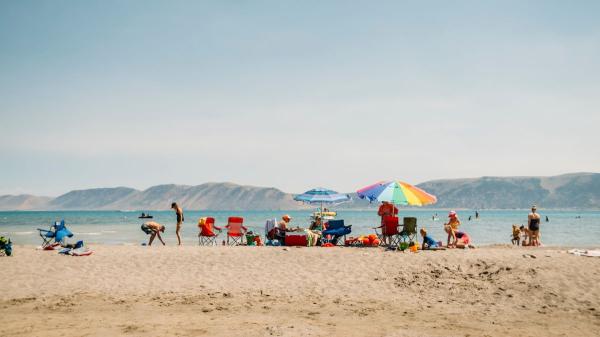
The biggest mistake is to think that everything starts on the beach
One of the ideas that Fernández most wants to dismantle is that microplastic pollution arises only on the coast.
Many of the fragments that appear mixed with the sand today began their journey much earlier. They can come from plastic waste degraded inland, from synthetic fibers released during laundry, or from materials transported by rivers, ocean currents, and wastewater.
In other words, the beach is usually the final destination of a problem that begins much earlier.
This reality explains why an apparently clean beach can contain a large amount of microplastics invisible to the human eye and why cleaning the sand, although important, is not enough to solve the problem.
The key is to prevent plastic from reaching the environment
For Fernández, the solution is to act from the origin. This involves designing more durable, reusable and recyclable products, improving waste management and promoting a circular economy that keeps materials within the production system for as long as possible.
At an individual level, there are also simple gestures that can make a difference: reuse whenever possible, reduce unnecessary plastics, correctly separate waste and do not abandon any material on beaches or natural spaces.
“If I had to summarize it in a single gesture, I would say: prevent plastic from reaching the environment,” says Fernández. Once plastic waste is dispersed in nature, a degradation process begins that can last decades or more and end up converting it into thousands of tiny particles that are virtually impossible to recover.
Therefore, the fight against microplastics does not begin when they appear in the sea or in the sand on the beach, but much earlier: in the decisions we make when designing, using and managing the materials that are part of our daily lives. However, we must not forget that avoiding bringing and abandoning more plastics to the beach will always help reduce the presence of microplastics.
If you want to read more articles similar to Neither bottles nor bags: these objects that you take to the beach also contribute to microplastic pollution, we recommend that you enter our Pollution category.
