
With the arrival of high temperatures, air conditioning becomes one of the great allies to deal with the heat inside the home. However, many people continue to make the same mistake: setting the appliance to very low temperatures with the idea that this will cool the home faster. Although it may seem logical, the truth is that it is not always the most efficient option.
In recent months, the so-called 11 degree rule has gained popularity, a recommendation that proposes maintaining a maximum difference of 11 ºC between the temperature outside and that set in the air conditioning. Its objective is to achieve a balance between comfort, energy consumption and proper functioning of the equipment.
Although it is not an official rule or an obligation, it is a guideline that many specialists consider useful to avoid unnecessary electricity consumption and reduce the effort made by the device during the hottest days. But what exactly does it consist of and when should it be applied?
This is how the 11 degree air conditioning rule works
The 11 degree rule is a simple recommendation: the air conditioning temperature should not be more than 11ºC below the outside temperature. That is, if 35 ºC is reached outside, it would be advisable to keep the equipment around 24 ºC. If the thermometer reads 38ºC, an interior temperature close to 27ºC would be enough to maintain a feeling of comfort in most cases.
The idea behind this recommendation is to avoid excessive thermal contrasts between the interior and exterior of the home. Constantly going from a very cold environment to a very hot one can be uncomfortable for the body and, in some cases, cause discomfort such as a feeling of dryness, muscle pain or throat irritation.
Additionally, setting an extremely low temperature forces the air conditioner to work longer to try to achieve that goal, especially when the heat outside is intense. This means greater electricity consumption and additional effort for the air conditioning system.
It does not mean that it is mandatory to follow this rule to the letter. Each home has different characteristics and factors such as insulation, the orientation of the house or humidity may make it necessary to adjust the temperature slightly to achieve a pleasant environment.

Why the 11 degree rule can reduce electricity consumption
One of the main reasons why the 11 degree rule has sparked so much interest is its possible impact on electricity consumption. During the summer, the air conditioner can become one of the most energy-consuming appliances in the home, especially when it runs for long hours.
There is a fairly widespread belief that setting the appliance to 18 or 19ºC will make the home cool down more quickly. However, on most home computers this does not happen. The system typically cools at a similar rate regardless of the selected temperature; The difference is that, if the goal is very low, the device will continue to work for longer to try to reach it.
For this reason, establishing a reasonable temperature can help reduce the continuous operation time of the compressor and, consequently, reduce energy consumption. It also helps reduce wear on some components, which can lead to longer equipment life if combined with proper maintenance.
Of course, the savings will never be exactly the same in all homes. Aspects such as the level of insulation, the size of the rooms, sun exposure, ambient humidity or the energy efficiency of the device itself influence. A well-insulated home will require less effort to stay cool than one with large south-facing windows or poorly insulated homes.
Therefore, the 11 degree rule should be understood as a practical reference and not as a fixed figure that guarantees the same result in any situation.
Not all homes need the same temperature
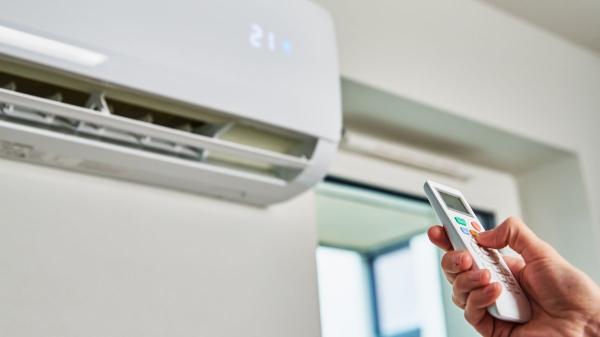
Although the rule can serve as a starting point, not all homes or all people have the same needs. In a house located in an area with high humidity, for example, the thermal sensation may be higher than what the thermometer indicates, so it may be necessary to adjust the temperature slightly.
The type of property also influences. Attics, homes facing west or those that receive many hours of sunlight tend to heat up more quickly, while well-insulated homes stay cool for longer and require less air conditioning effort.
The needs of those living in the home must also be taken into account. Older people, babies, or those with certain illnesses may need different temperatures to feel comfortable. In these cases, well-being and health must always take priority over possible energy savings.
Therefore, rather than applying an exact figure, experts usually recommend finding a temperature that is comfortable without generating excessive contrast with the outside. The 11 degree rule serves as a useful guideline, but should always be adapted to the circumstances of each home.
Habits that help keep the house fresher for longer
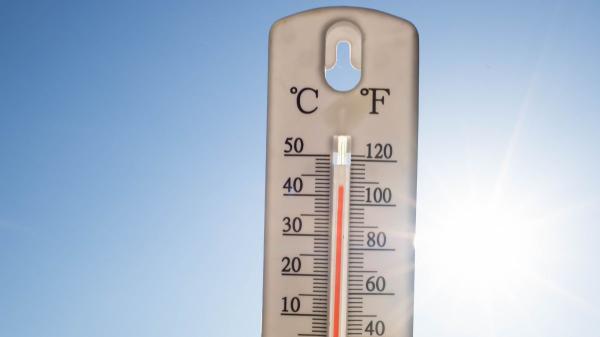
The temperature chosen in the air conditioning is only part of the strategy to combat the heat. There are other simple habits that can help keep a home cooler for longer and reduce the need to continually use the air conditioning system.
One of the most effective is to ventilate the house during the early morning or at night, when the outside temperature drops. During the middle hours of the day, it is best to keep the windows closed, lower blinds and use curtains to limit direct entry of the sun.
It is also advisable to avoid using appliances that generate a lot of heat, such as the oven, during hours of maximum external temperature. Small gestures such as turning off unnecessary lights or using fans to better distribute cold air can help improve comfort without increasing electricity consumption.
Another aspect that is often overlooked is the maintenance of the air conditioning itself. Periodically cleaning the filters allows the equipment to work more efficiently, improves air quality and prevents you from having to make extra efforts to cool the home.
In short, combining the 11 degree rule with these measures can help maintain a more pleasant environment during the summer without having to resort to excessively low temperatures.
If you want to read more articles similar to The 11-degree rule for air conditioning: the simple adjustment to keep the house cool and save this summer, we recommend that you enter our Energy Savings category.
