
Cleaning the house is an everyday gesture that we repeat almost without thinking. Detergents, cleaners or capsules for the washing machine are part of the daily routine in millions of European homes. However, behind many of these products there is a reality that has not always been visible to the consumer. For years, some have been developed with animal testing. Now, the European Union has decided to change the rules: it prohibits the sale of cleaning products tested on animals. It has done so with new regulations that promise to transform the sector and that raises a key question: what will really change from now on?
A historic change in European regulations
The European Union has approved Regulation (EU) 2026/405, a standard that marks a before and after in the cleaning products industry. Its objective is clear: to prohibit the marketing of detergents and surfactants that have been tested on animals.
This is not an isolated measure. It is part of a broader strategy that the EU has been promoting for years. Already in 2010, Directive 2010/63/EU established the need to “replace, reduce or improve animal testing.” Furthermore, since 2013, this type of testing has been prohibited in cosmetics.
Now, the focus is on household products, an area where these practices still existed. With this decision, Brussels seeks to align the market with the values of the European Green Deal and move towards a more ethical and sustainable model.
What products will be affected (and from when)
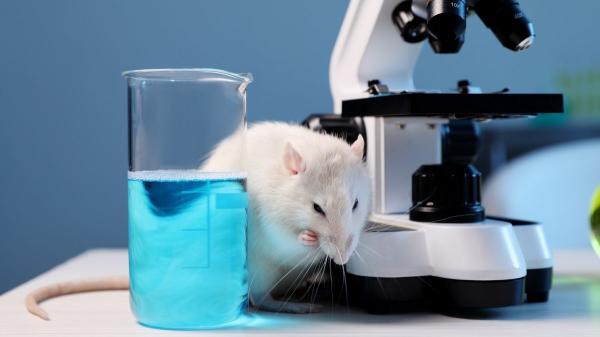
The new regulations directly affect detergents, cleaners and other products that contain surfactants, that is, the compounds responsible for removing dirt.
The new standard came into force on March 22, 2026, but its general application will be on September 23, 2029, as indicated in the official EUR-Lex file. From that moment on, products that have been tested on animals cannot be introduced into the European market after that day.
The law contemplates a transition. Products developed with data obtained before that date may continue to be sold without problems. Instead, any new product must be based exclusively on alternative methods, without resorting to animals.
There are also very specific exceptions. If the safety of an essential ingredient is in doubt, its use is widespread and there are no viable alternatives, the European Commission may authorize trials under strict conditions, but they will be specific and highly controlled cases.
What was not seen: the reality of animal testing
Although many people associate animal testing with the pharmaceutical or cosmetic industry, it has also been present in everyday cleaning products.
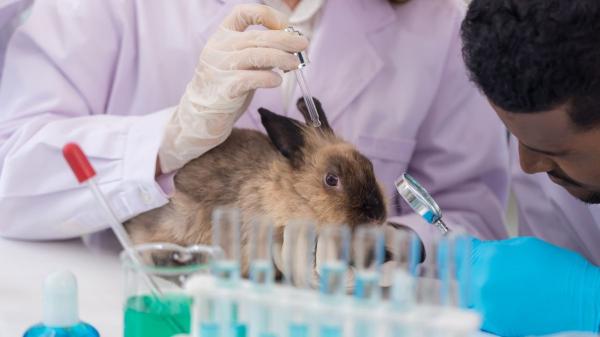
Some trials have included tests to measure the toxicity of substances, their impact on the eyes or their inhalation. According to organizations such as AnimaNaturalis, in certain cases animals were forced to ingest chemicals or they were applied directly to their eyes or skin to observe reactions.
Sector investigations have indicated that these practices did not always respond to strict legal requirements, but also to commercial interests, such as improving formulas or labels.
Additionally, some companies have been criticized for outsourcing these tests to independent laboratories, making traceability difficult. This has generated a gap between the “cruelty free” image that some project and the reality of certain processes.
The EU promises more transparency: the “digital passport” of products
One of the most important changes in this regulation has to do not only with the animals, but also with the information that the consumer receives.
The European Union will introduce the so-called Digital Product Passport. This is a system that will allow access, for example through a QR code, to all the relevant information about a detergent.
The user will be able to consult the ingredients, traceability and safety data before purchasing. This represents an important advance in transparency and will allow more informed decisions to be made. In practice, it will be much easier to know what is behind each product we use at home.
A change that also affects the environment
The new regulations are not limited to animal welfare. It also includes measures to reduce the environmental impact of cleaning products.
For example, bulk sales and refilling systems will be encouraged, with the aim of reducing the use of plastics. Of course, these practices will be regulated to guarantee safety and hygiene.
In addition, single-dose capsules, very common in washing machines and dishwashers, will have to be adapted to new requirements. Their coatings will have to be completely biodegradable by March 2032.
There are also stricter limits for certain chemical components, such as phosphorus, and specific standards for products containing microorganisms.
A new model for Europe
The ban on cleaning products tested on animals represents much more than a legal change. It is a clear sign of the direction that Europe wants to take. The consumer will have more information, companies will have to adapt to new demands and the industry will move towards more ethical and sustainable methods.
With this measure, the European Union not only regulates its internal market. It also sets a standard that could influence other countries and sectors in the coming years.
What until now was invisible is beginning to change. And he will do it, this time, from something as everyday as cleaning the house.
If you want to read more articles similar to The EU takes a historic step: prohibits the sale of cleaning products tested on animals, we recommend that you enter our Other ecology category.
