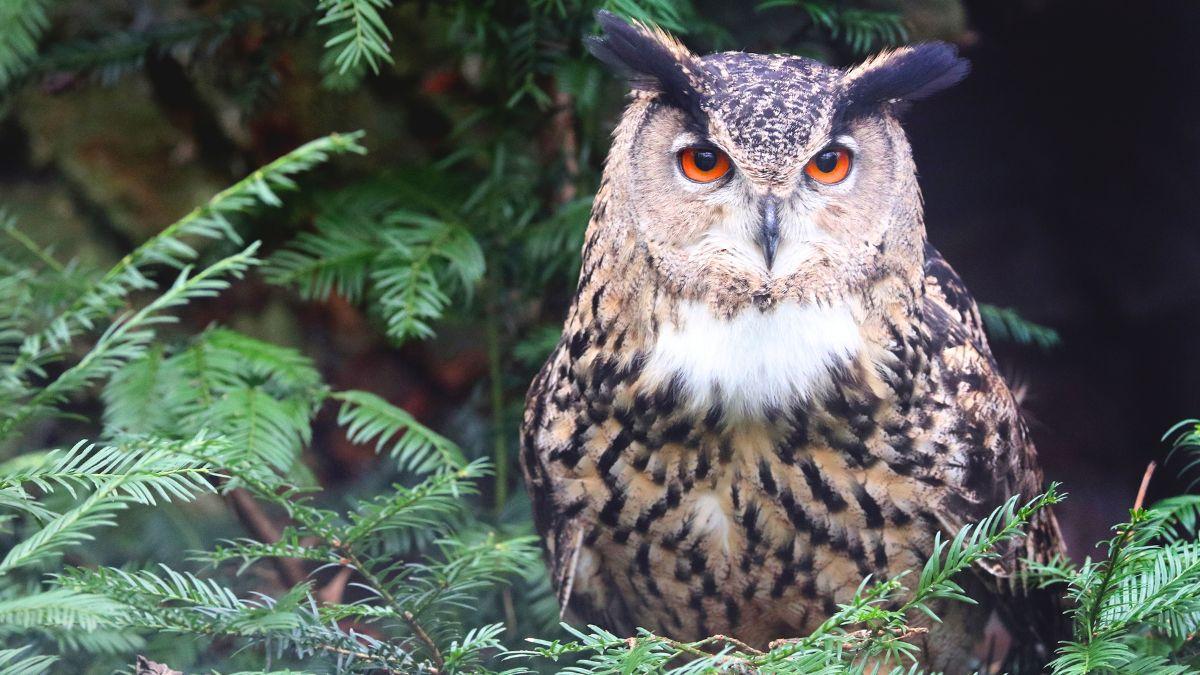
With nearly 220 species of birds, more than 850 species of flora and the highest breeding density of eagle owls known in the world, Sierra Escalona and Dehesa de Campoamor is one of the most valuable natural spaces in the Valencian Community. Located in the south of the province of Alicante, this enclave stands out for its extraordinary biodiversity and for housing species of great conservation interest.
After the recent approval of the Natural Resources Management Plan (PORN), the territory is closer than ever to becoming a natural park. Its declaration would represent a key step to reinforce the protection of one of the largest biodiversity refuges in the Spanish southeast.
Sierra Escalona, closer than ever to becoming a natural park
The declaration of Sierra Escalona and Dehesa de Campoamor as a natural park is getting closer after the approval of the Natural Resources Management Plan (PORN), a key document that establishes the guidelines for the conservation and management of this natural space in the south of the province of Alicante. The decree was approved by the Consell in February 2026, unblocking a protection process that had been demanded for more than two decades by environmental and neighborhood groups.
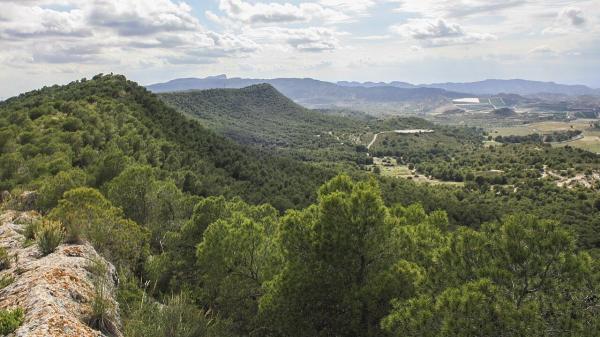
The scope of the future park extends through the municipalities of Orihuela, Pilar de la Horadada and San Miguel de Salinas, and already has various environmental protection figures, such as its inclusion in the Natura 2000 Network and its consideration as a Special Protection Area for Birds (SPA). The future declaration as a natural park will mean a higher level of protection than the current one and will make Sierra Escalona the twenty-third natural park in the Valencian Community and the tenth in the province of Alicante.
The PORN delimits the areas with the greatest ecological value and regulates the uses permitted in the territory with the aim of preserving their habitats, landscapes and species. In addition, it establishes measures to make the conservation of biodiversity compatible with the traditional activities that take place in the environment.
220 species of birds and the world’s largest population of eagle owls
In this natural space, more than 850 species of flora have been catalogued, a figure that represents approximately 30% of all the flora present in the Valencian Community. This botanical wealth coexists with forest areas, traditional dryland crops and irrigated agricultural areas, forming an agroforestry mosaic that favors the conservation of numerous habitats and species.
The importance of this environment is also reflected in its fauna. Sierra Escalona is home to nearly 220 species of birds, which makes it one of the most relevant ornithological enclaves in the southeast of the Iberian Peninsula. This diversity was one of the reasons why the territory was declared a Special Protection Area for Birds (SPA) in 2009.
Among the most notable species is the eagle owl, since Sierra Escalona concentrates the highest known reproductive density of this nocturnal raptor worldwide, with around 70 breeding pairs. In addition, the space plays an important role for other emblematic birds such as the golden eagle and the Bonelli’s eagle, a threatened species that uses the area during its first years of life before establishing its own territory.
The faunal wealth is not limited to birds. 26 species of mammals have also been identified in the area, including the wild cat, the genet and the badger, as well as 18 species of reptiles and 5 of amphibians.
Why Sierra Escalona could recover the Iberian lynx
The ecological richness of Sierra Escalona and Dehesa de Campoamor has led experts to consider this space as one of the areas with the greatest potential for the reintroduction of the Iberian lynx in the Valencian Community. Although there is currently no stable population of this species in the territory, the characteristics of the environment make it an ideal candidate for future conservation programs.
One of the factors that support this possibility is the abundance of rabbits, the main prey of the Iberian lynx. The presence of extensive forest areas connected to agricultural areas and the low fragmentation of certain habitats also provide favorable conditions for the establishment of this feline.
According to those responsible for the study and management of the natural space, Sierra Escalona meets many of the requirements that are considered essential in recovery projects for the species developed in other regions of Spain. The availability of food, the extent of the territory and the existence of areas with little human pressure increase the chances of success of an eventual reintroduction.
What will change when Sierra Escalona becomes a natural park
Although the territory already has protection figures such as the Natura 2000 Network and the classification as a Special Protection Area for Birds (SPA), the category of natural park will allow for more specific management and a greater capacity to conserve its ecological values.
Among the main advantages is the improvement in space planning and management. The figure of a natural park facilitates the implementation of conservation programs, restoration of habitats, monitoring of threatened species and control of activities that may affect ecosystems.
It can also favor obtaining public financing for environmental projects, scientific research and environmental education.
Another important benefit is the promotion of a development model compatible with the protection of nature. Activities such as hiking, bird watching or nature tourism can be developed in an orderly manner, generating economic opportunities for the surrounding municipalities without compromising the environmental values of the space.
If you want to read more articles similar to 220 species of birds and exceptional biodiversity: this is Sierra Escalona, the future natural park of the Valencian Community, we recommend that you enter our Ecosystems category.
