The electricity bill is one of the most relevant fixed expenses in many homes. A significant portion of that cost comes from the daily use of appliances, especially those that run for long hours or require high power to operate. However, not all of them consume the same amount of energy nor do they impact the monthly bill in the same way.
Therefore, we are going to dedicate this Evidence Network article to telling you which are the 5 appliances that consume the most and how to save on your electricity bill.
The 5 appliances that consume the most energy at home
Although we are often not aware, some appliances can represent an important part of monthly electricity consumption. Let’s see what they are:
The refrigerator
The refrigerator is, without a doubt, one of the appliances that consumes the most energy in the home. Unlike other devices that we use occasionally, it works 24 hours a day, 7 days a week. Although its power is not extremely high, the fact that it is always running means that its annual consumption is considerable.
The electrical cost of the refrigerator depends mainly on its energy efficiency, size and age. Older models can consume up to twice as much as a modern one with a high energy label. Furthermore, factors such as opening the door frequently, introducing hot food or having damaged tires force the motor to work harder, increasing consumption.
To save on your electricity bill, it is advisable to set the temperature between 4°C and 5°C in the refrigerator and around -18°C in the freezer.
The oven
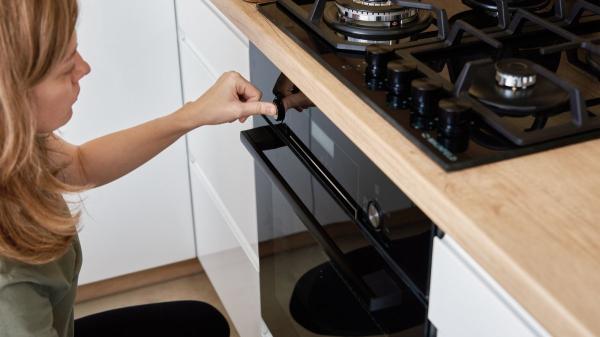
The oven is another of the largest consumers of electricity in the home. Its power usually ranges between 2,000 and 3,500 watts, which means that every time we turn it on, the energy consumption is high, especially if we use it for long periods.
Preheating and frequently opening the door during cooking increase consumption, since the appliance needs to reach the programmed temperature again.
To reduce costs, you can cook several foods at the same time, avoid opening the door unnecessarily and turn off the oven a few minutes before the end of the cooking time to take advantage of the residual heat.
Vitroceramic and induction hobs
Ceramic hobs and induction hobs are also among the appliances that consume the most electricity at home. Its power is usually between 1,200 and 3,000 watts per cooking zone, so when we use several at the same time, consumption skyrockets.
In the case of traditional glass-ceramic, the system generates heat through resistances that take longer to heat up and cool down, which implies greater energy expenditure. Induction hobs, on the other hand, are more efficient because they directly heat the container using a magnetic field, reducing energy losses.
To save, it is important to use containers appropriate to the size of the cooking zone, take advantage of the residual heat by turning off a few minutes before and cook with a lid whenever possible.
Small appliances
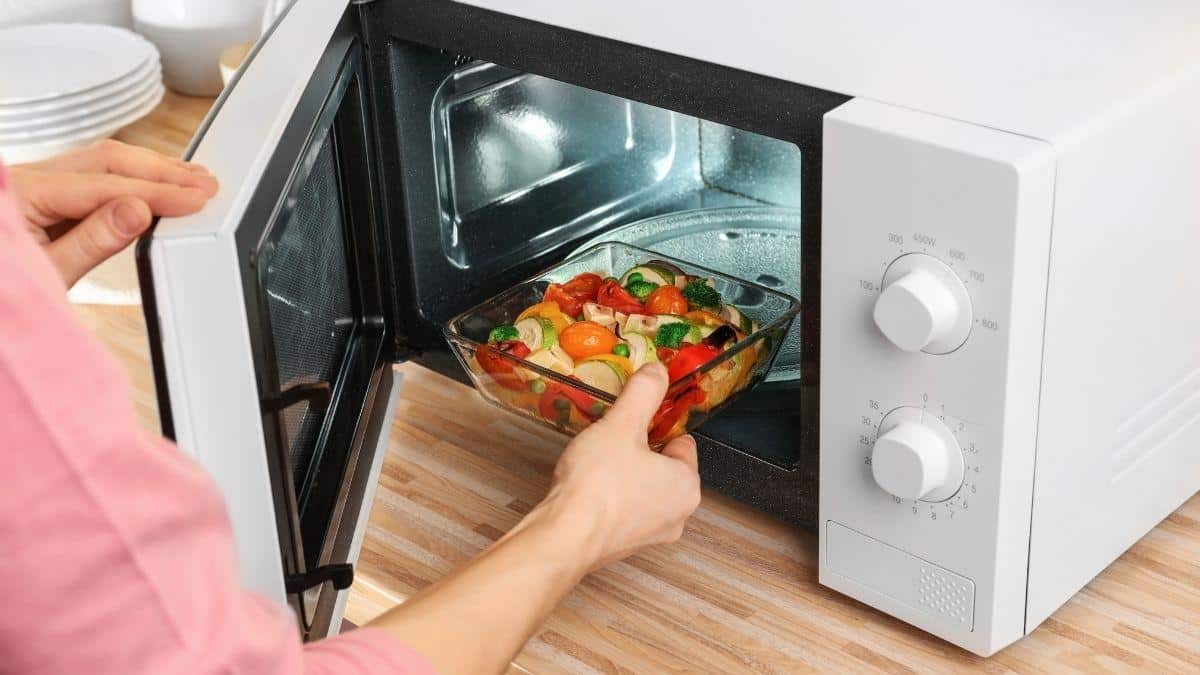
Appliances such as the microwave, coffee maker, kettle, toaster or air fryer have high powers that usually range between 800 and 2,000 watts. Its consumption depends mainly on the frequency and time of use. For example, an electric kettle can use a lot of energy in a few minutes due to its high power, while a capsule coffee maker can continue to consume electricity if it remains on in standby mode.
To reduce costs, it is advisable to unplug them when they are not in use, avoid stand-by mode and only use them as long as necessary. It is also advisable to opt for efficient models and use them strategically, such as heating small quantities in the microwave instead of using the oven when possible.
Television
Television is one of the most used appliances in most homes. The expense depends mainly on the size of the screen, the technology (LED, OLED, QLED) and the configured brightness level.
To save energy, it is advisable to set the brightness to a moderate level, activate energy saving modes and turn off the TV completely when not in use. It also helps to avoid leaving it as “background noise” and take advantage of features like the sleep timer.
Why do some appliances consume more than others?
The electrical consumption of an appliance depends on several factors. The first is power, which is measured in watts. The larger it is, the more energy it needs to function.
The time of use also has a decisive influence: a device with moderate power but that is on all day can consume more than a very powerful one that is used for only a few minutes.
Energy efficiency, equipment age and maintenance also come into play. Older models usually require more electricity to offer the same performance as a modern one with a good energy label.
How to reduce the consumption of each appliance?
Reducing electricity consumption does not mean stopping using appliances, but rather learning to use them more efficiently.
The key is to combine three aspects: choosing devices with good energy efficiency, using them intelligently and keeping them in good condition. Adjusting temperatures, avoiding stand-by mode, taking advantage of residual heat or not overloading equipment are simple gestures that, applied constantly, help reduce costs and prolong the useful life of appliances.
Tips for choosing more efficient appliances
Choosing efficient appliances is one of the decisions that most influences long-term electricity consumption. Although the initial price may be somewhat higher, the savings on the electricity bill over the years usually offset the investment.
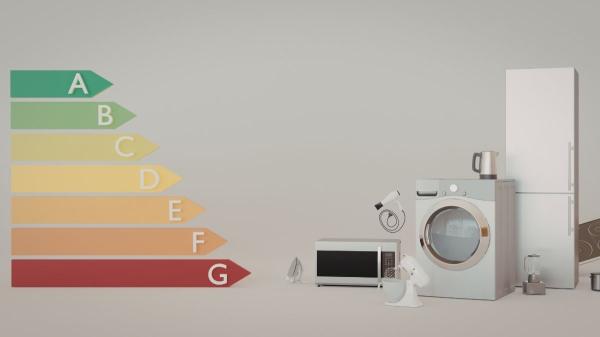
The first aspect to review is the energy label. Opting for models with classification A or higher within the current scale guarantees lower consumption. It is also important to look at the estimated annual consumption in kWh, not just the letter, as it allows for a more precise comparison between different models.
Finally, it is advisable to adapt the size of the appliance to the real needs of the home. A refrigerator or oven larger than necessary will mean more unnecessary expense.
If you want to read more articles similar to The 5 appliances that consume the most and how to save on your electricity bill, we recommend that you enter our Energy Savings category.
