
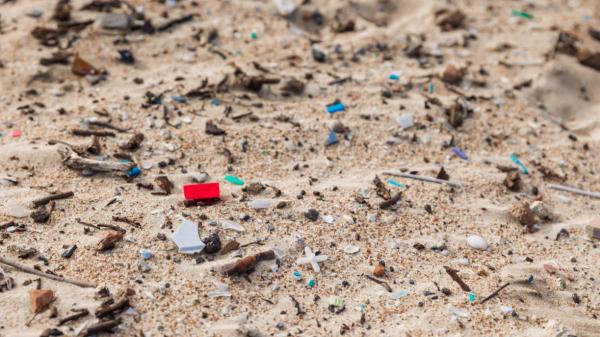
A beach with white sand, crystal clear water and without a single visible residue can convey a feeling of absolute cleanliness. However, appearances are deceiving. Thousands of tiny plastic particles that are impossible to detect with the naked eye can hide beneath the surface of the sand and mixed with the water.
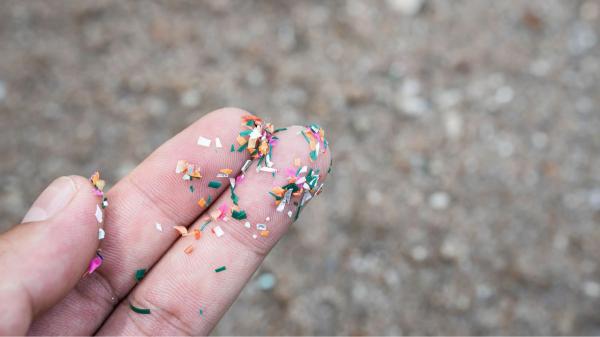
Microplastics, fragments of less than five millimeters, have become one of the main environmental challenges of our time. Although we usually associate them with the ocean, the reality is that they are present in many more places than we imagine and they reach the beaches after traveling a long way.
With the arrival of summer, the increase in tourism, the greater consumption of single-use products and high temperatures make this problem even more relevant. But why can an apparently clean beach hide so much invisible pollution?
A clean beach does not mean a beach free of microplastics
“The beach may seem completely clean at first glance and, yet, contain a large amount of microplastics mixed with the sand or present in the water,” explains Amparo Fernández, Business Development Director at Captoplastic, in the interview she gave to Evidence Network.
The reason is simple: these particles are so small that they go unnoticed by most people. Unlike an abandoned bottle, bag or wrapper, microplastics are not easily identified during a walk along the shore.
Their size, less than five millimeters, means that they mix with the sand and remain suspended in the water without us being able to distinguish them. This means that a visually pristine beach does not have to be free of plastic pollution.
Furthermore, many of these fragments do not come from recent waste abandoned on the coast, but rather have been moving through the environment for months or even years before ending up deposited on the beach.
Microplastics begin their journey long before reaching the sea
One of the most common mistakes is to think that the problem begins when someone leaves a residue in the sand. However, the reality is much more complex.
As Fernández explains, what we observe on a beach is usually only the end of the journey of a microplastic. These particles can travel for a long time, transported by rivers, ocean currents, wind or even wastewater.
They can also be generated when plastic waste abandoned in other places begins to degrade and fragment little by little. A recent example was the accidental loss of pellets on the Galician coast, which showed the enormous capacity of these materials to disperse and reach beaches located many kilometers away.
For this reason, experts insist that the solution is not only to clean the beaches, but to prevent plastics from reaching the environment from the beginning.
Summer accelerates the formation of new microplastics
During the summer months, several factors come together that favor this problem. The presence of people on beaches and coastal areas increases, the consumption of single-use packaging and products increases, and environmental conditions accelerate the deterioration of many wastes.
Solar radiation, high temperatures and the constant movement of waves cause plastic objects to fragment into increasingly smaller particles. Over time, this waste ends up becoming microplastics that are much more difficult to remove from the natural environment.
More than 430 million tons of plastic are produced worldwide every year and a large part corresponds to products with very short useful lives. When these materials are not managed correctly, they can end up degrading and fueling practically invisible pollution.
Microplastics have already been detected not only in seas and oceans, but also in rivers, soils, drinking water, food and even in different human tissues. In addition to its presence in the environment, various international organizations warn of its effects on marine biodiversity and the need to continue researching its impact on health.
The solution begins long before microplastics appear
For Captoplastic’s Business Development Director, the key is to act before plastic reaches the environment.
“Reducing microplastics starts long before they reach the sea. It starts with how we design, use and manage materials throughout their entire life cycle,” he points out.
In this sense, prevention is much more effective than trying to remove these particles once they have dispersed. Committing to eco-design, reusing materials, improving recycling and keeping plastics within the circular economy allows us to significantly reduce the risk of them ending up fragmenting.
Fernández also highlights the importance of better understanding this type of contamination through monitoring. Measuring where microplastics appear, how they move and in what quantities they are present allows us to identify the main sources of contamination and develop more effective strategies to combat them.
Although every small individual gesture counts – such as reducing the use of unnecessary plastics, reusing whenever possible or correctly separating waste – the expert recalls that facing this challenge also requires technological innovation, better management of materials and the joint involvement of citizens, administrations and companies.
Because a clean beach starts long before you set foot on the sand.
If you want to read more articles similar to A beach can seem completely clean and be full of microplastics: an expert explains why, we recommend that you enter our Pollution category.
