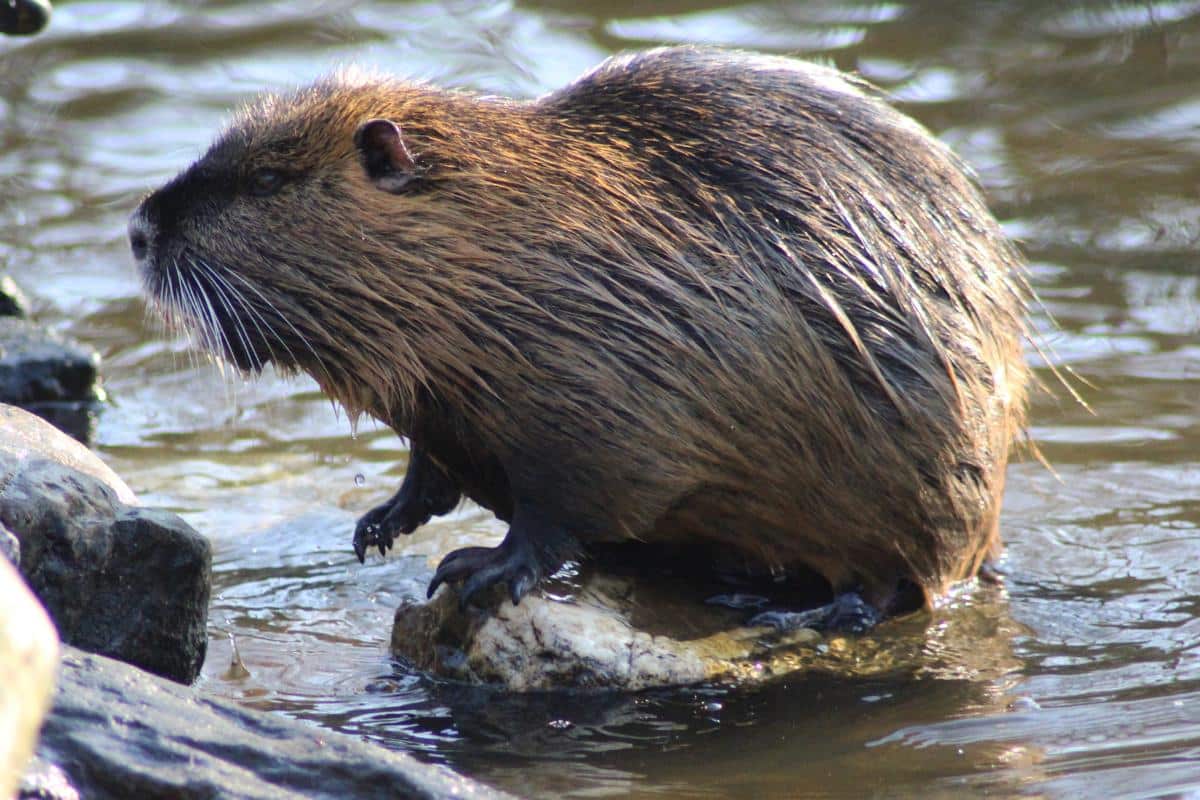
The coipu (Myocastor coypus), also known as coypu or otter rat, is a large rodent native to South America that has established itself in several European countries, including Spain. With a robust body, orange incisors and semi-aquatic habits, it is reminiscent of the beaver, although it belongs to a different family. Its introduction, originally for fur purposes, has led to a worrying expansion due to the damage it causes to rivers, wetlands and crops.
In this Evidence Network article we explain the invasion of the coypu in Spain: how it arrived, where it is located, what impact it has on ecosystems and what measures are being taken to control its advance.
How did the coypu get to Spain?
The history of the coipu in Spain begins in the mid-20th century, when it was introduced to Europe for economic purposes. Its thick and soft skin was highly valued in the fur industry, which is why breeding farms were established in different European countries, including Spain. However, some specimens escaped or were deliberately released, and over time they began to reproduce in the wild.
Thanks to its high capacity for adaptation and its varied diet (which includes aquatic plants, roots and crops near humid areas), the coypu managed to establish stable populations in different parts of the country. Since then, its expansion has been constant, especially in areas with abundant fresh water and dense vegetation.
Where is the coipu found in Spain?
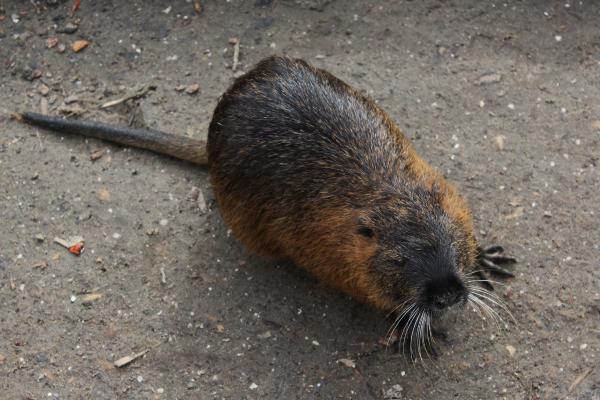
The expansion of the coipú in Spain is concentrated mainly in the north of the country, where the humid climate and the presence of numerous rivers and wetlands favor its establishment.
- Catalonia: it is the community most affected by the coipu invasion. The province of Girona is one of the main focuses, with consolidated populations in the Empordà wetlands, the lower course of the Ter river and the Tordera delta. Its adaptation to aquatic environments and the absence of natural predators have allowed rapid growth, making the situation of the coypu in Girona one of the most worrying in the entire peninsula.
- Navarra: in this community, the coipu has expanded through the middle and lower reaches of several rivers, such as the Arga or the Ebro. The Navarrese authorities have warned of the deterioration of the banks and the loss of riverside vegetation caused by the burrows dug by this invasive species. Furthermore, its presence threatens native species that depend on the same river ecosystems.
- Basque Country: stable populations have been detected for several years, especially in humid areas near the Zadorra and Nervión rivers. The coypu or otter rat finds an ideal habitat here, feeding on aquatic plants and nearby crops. The Basque Government has included this species in its exotic fauna control plans to prevent its expansion into new basins.
- Galicia: although its presence is minor, it has been detected in the Cabral area, in the municipality of Vigo, and also in the area around the Miño River. Although records are scarce, its appearance has generated concern about the risk of expansion in the Galician wetlands.
Why is the coipu an invasive species in Spain?
The coipu has been included in the Spanish Catalog of Invasive Exotic Species(1) due to its capacity for expansion and the impact it generates on local ecosystems. It reproduces quickly, since females can have several litters a year with between four and six offspring each, and it lacks natural predators in the Iberian Peninsula.
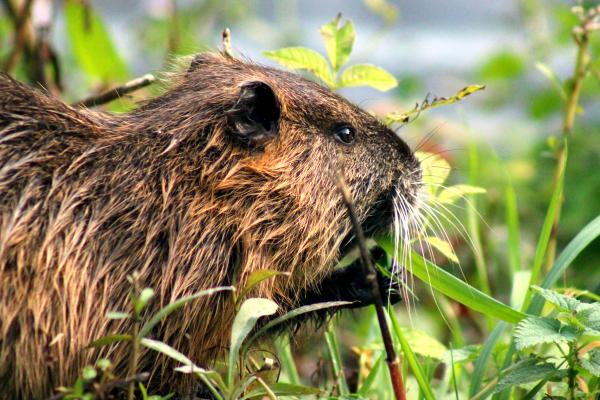
Its feeding behavior also represents a problem: it consumes large amounts of aquatic vegetation, which alters the balance of the wetlands and reduces the shelter and food of other native species. Furthermore, by digging burrows on the banks of rivers, it causes erosion and deterioration of river banks, affecting both ecosystems and agricultural infrastructure and irrigation systems.
In this sense, the coypu or coypu is not only an ecological danger, but also an economic one, since it can cause losses in crop areas near rivers and damage hydraulic installations or rural roads.
What is the environmental impact of coipu on ecosystems?
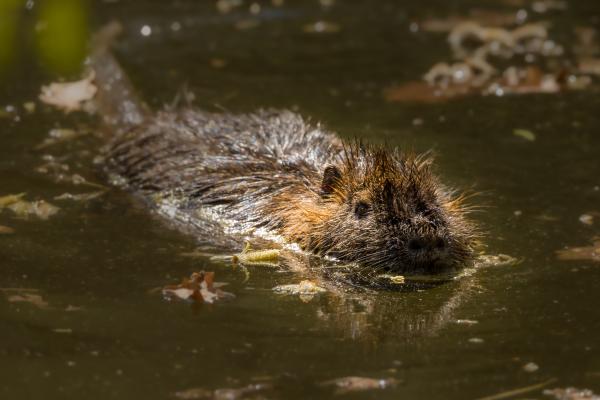
The impact of the coipu on the environment is notable and affects both aquatic ecosystems and human activity. This semi-aquatic rodent alters the ecological balance of the wetlands and riverbanks where it settles.
- Loss of riparian vegetation: by feeding on aquatic plants and roots, the coipu causes the disappearance of the plant cover that protects the banks and serves as a refuge for birds, fish, amphibians and small mammals. This decreases the quality of the habitat and local biodiversity.
- Erosion and weakening of the banks: the burrows it digs along rivers and canals destabilize the slopes, favoring their collapse. In areas where populations are dense, this damage increases the risk of flooding and the loss of fertile soil.
- Alteration of wetlands: in some wetlands in northern Spain, a decrease in native plant species has been observed due to the intense feeding activity of the coipú. This ecological pressure modifies the landscape and reduces the ability of ecosystems to regenerate.
- Agricultural damage: their diet includes crops close to riverbeds, such as corn or rice. In northern agricultural areas, where their population is more abundant, this damage means considerable economic losses for local farmers.
- Health risks: the coipu can act as a carrier of diseases communicable to both livestock and people, including leptospirosis. This health risk reinforces the need to control its expansion and prevent its spread to new humid areas.
What measures are being taken to control coipu in Spain?
The Spanish authorities, in coordination with the autonomous communities, have implemented different strategies to stop the expansion of the coipu.
- These include early detection and eradication campaigns, the use of selective traps and surveillance of sensitive areas.
- The Ministry for the Ecological Transition and Demographic Challenge (MITECO) includes the nutria in its official list of invasive species, which prohibits its possession, transport and release into the natural environment.
- Furthermore, in regions such as Girona or Navarra, specific control plans have been developed with the participation of environmental technicians and local entities.
These measures seek to reduce existing populations and, above all, avoid new introductions. Citizen collaboration also plays a fundamental role: notifying the authorities when specimens are observed can be key to acting in time.
If you want to read more articles similar to Coipú in Spain: an invasive species that threatens ecosystems, we recommend that you enter our Biology category.
- Ministry for the Ecological Transition and the Demographic Challenge. (sf). Spanish Catalog of Invasive Exotic Species. Available at: https://www.miteco.gob.es/es/biodiversidad/temas/conservacion-de-epecies/epecies-exoticas-invasoras/ce-eei-catalogo.html
- Echegaray, J., & Hernando, A. (sf). Expansion of the Coipú distribution area in the Basque Country. Sustrai, 66, 52-53. Available at: https://www.euskadi.eus/contenidos/boletin_revista/sustrai_66/eu_agripes/adjuntos/66_52_53_c.pdf
- Ministry for the Ecological Transition and the Demographic Challenge. (2013). Myocastor coypus (Molina, 1782) – invasive exotic species file (Spanish Catalog of Invasive Exotic Species). Available at: https://www.miteco.gob.es/content/dam/miteco/es/biodiversidad/temas/conservacion-de-epecies/myocastor_coypus_2013_tcm30-69964.pdf
