
Endothermic animals or warm-blooded animals are those that can regulate their body temperature internally, without depending on the external environment. These animals have many adaptive advantages, such as being able to live in extreme climates, maintaining a high metabolism and constant activity. In this BIOencyclopedia article, we will explore the characteristics and some examples of endothermic animals. We encourage you to read this interesting article!
What are endothermic animals and their characteristics?
Endothermic animals, also known as warm-blooded animals, are those organisms that have the ability to maintain a constant body temperature independent of environmental temperature. This feature allows them to function effectively in a wide variety of environments, as they do not depend exclusively on weather conditions to regulate their internal temperature. Mammals and birds are the two main groups of endothermic animals, although they are not the only ones.
One of the most distinctive characteristics of endothermic animals is their ability to generate metabolic heat through internal processes, such as the production of energy from food and the regulation of muscle activity. This is achieved primarily through the activity of brown adipose tissue and other biological mechanisms. Unlike ectothermic (cold-blooded) animals, which rely on environmental heat to regulate their body temperature, endothermic animals have the ability to maintain their temperature constant even in cold environments.
Endothermy provides several evolutionary advantages. Endothermic animals can be active year-round, allowing them to take advantage of resources and hunting opportunities in changing climatic conditions. Additionally, they can occupy a wider variety of ecological niches since they are not limited by extreme temperatures.
However, this adaptation also entails significant energy costs. Endothermic animals require a constant intake of high-calorie quality food to maintain their metabolism and temperature. Additionally, they have a higher energy expenditure compared to ectothermic animals, which often translates into higher food requirements and an investment of time and resources in searching for food.
Knowing this, the main characteristics of endothermic animals could be summarized as:
- High metabolism
- Internal heat generation
- Greater independence from ambient temperature
- Presence of hair or plumage
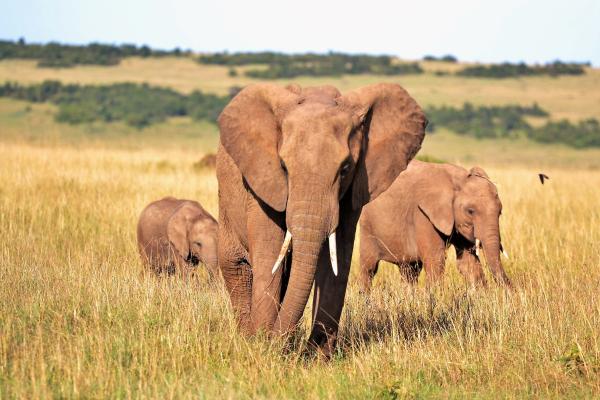
African elephant (Loxodonta Africana)
Elephants are large endothermic mammals. Although they may appear robust, they have a large muscle mass that generates heat and allows them to maintain their temperature, especially in colder climates. Furthermore, when it comes to dissipating heat from its body, the African elephant uses its large ears, which are densely vascularized to quickly cool the blood passing through them.
In this other post you can learn more about the African Elephant.
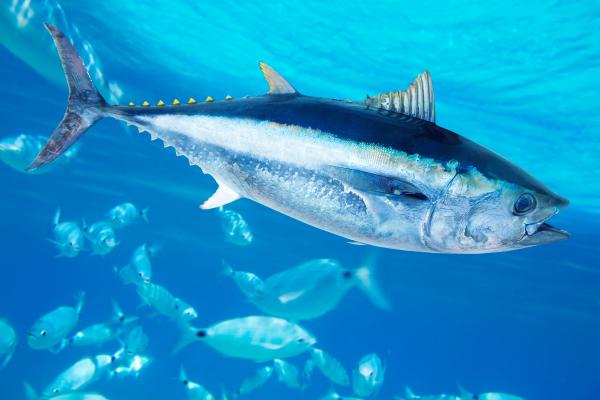
Bluefin tuna (Thunnus thynnus)
Bluefin tuna is a migratory fish that lives in warm temperate waters. Although it is an aquatic animal, it is endothermic and has the ability to maintain its body temperature above the temperature of the surrounding water, allowing it to have a fast swimming speed. Like other fish, bluefin tuna deal with colder waters by distributing their blood in a complex way. The cold blood that feeds the outermost tissues of your body passes through a thermogenetic muscle in the eye region, where it is heated, and subsequently travels through the innermost layers of the body to the brain and the rest of the vital organs.
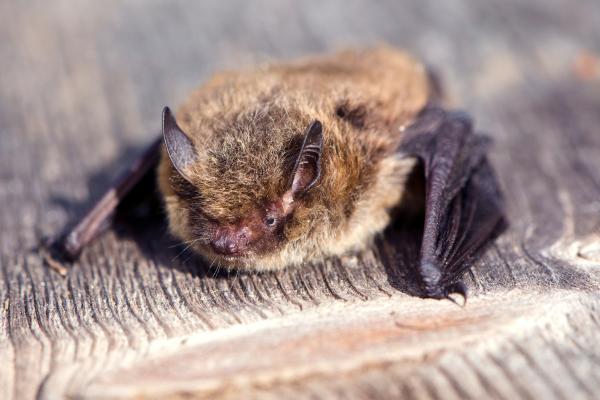
Bat (Pipistrellus pipistrellus)
Bats are endothermic mammals that have evolved to fly. They have a high metabolism to stay active during flight and can adjust their body temperature based on conditions at any time.
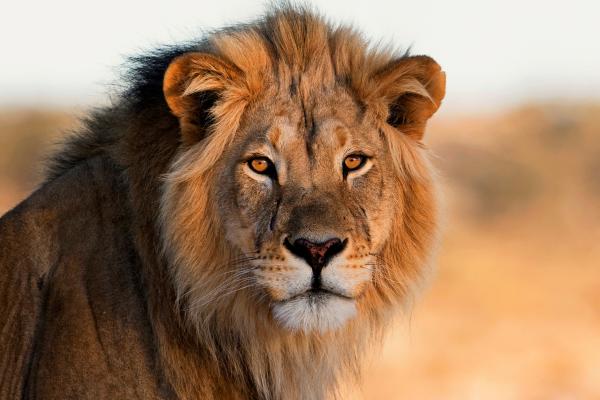
Lion (Panthera leo)
Lions are endothermic carnivorous mammals that inhabit the savannah and rainforest regions of Africa and some parts of Asia. They have hair and fat for thermal insulation, which helps them maintain their body temperature in a variety of climates.
You can get to know the Lion better here.
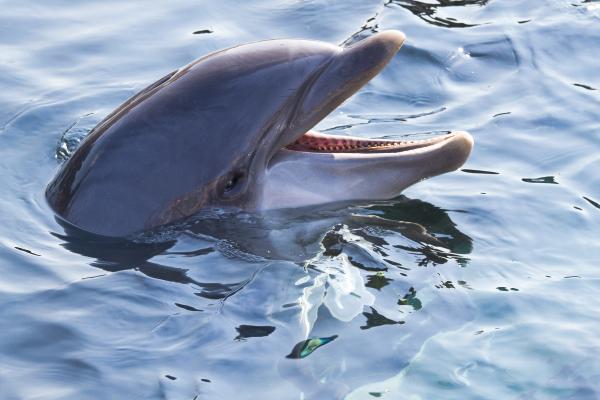
Bottlenose dolphin (Tursiops truncatus)
Bottlenose dolphins are endothermic marine mammals, that is, they are warm-blooded like all mammals. They have a layer of subcutaneous fat and a high metabolism that allows them to live in cold waters and maintain their constant temperature while swimming.
If you are interested in these animals, here you can read more about the Dolphin.
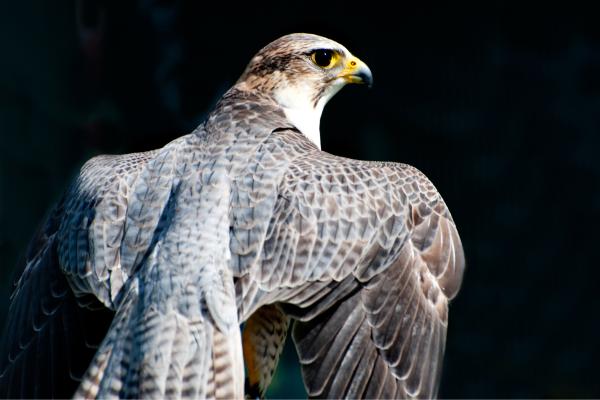
Peregrine falcon (Falco peregrinus)
Peregrine falcons are endothermic birds of prey known for their diving speed when hunting prey. They have adaptations to maintain their temperature at high altitudes and in rapid flight, such as a high basal metabolism and their dense plumage.
Here you can see more information about the Peregrine Falcon.
Human being (Homo sapiens)
Humans are also warm-blooded animals. Among our adaptations to maintain body temperature regardless of the environment are the presence of hair, fat accumulation, muscle thermogenesis or reflexes such as the ability to shiver. To dissipate heat when necessary, humans rely on sweating and, like other mammals, we rely on vasodilation of the body’s superficial veins, which exposes the blood to ambient temperature, helping to cool us down.

Other endothermic animals
- domestic dog (Canis lupus familiaris)
- emperor penguin (Aptenodytes forsteri)
- bald eagle (Haliaeetus leucocephalus)
- humpback whale (Megaptera novaeangliae)
- Wolf (Canis lupus)
- white rhinoceros (Ceratotherium simum)
- mountain gorilla (Gorilla beringei beringei)
- Polar bear (Ursus maritimus)
- European otter (Lutra lutra)
- red kangaroo (Macropus rufus)
- Iberian lynx (Lynx pardinus)
- Koala (Phascolarctos cinereus)
- leopard seal (Hydrurga leptonyx)
- trumpeter swan (Cygnus buccinator)
- Bornean orangutan (I put pygmaeus)
- Horse (Equus ferus caballus)
- common kingfisher (Alcedo atthis)
- red fox (Vulpes vulpes)
Difference between endothermic and ectotherm animals
- Endothermic animals are those that can regulate their body temperature through the heat they produce through their metabolic activity, without depending on external sources of heat. While ectotherm animals are those that depend on environmental temperature to adjust their body temperature, and have a lower metabolism than endotherms.
- Endotherms have a constant and high body temperature, which allows them to maintain a high level of activity and adapt to different climatic conditions. Ectothermic animals have a variable and lower body temperature, which limits their activity and makes them more vulnerable to environmental changes.
- To generate heat, endotherms require greater consumption of food and oxygen to maintain their metabolism and heat production. Ectothermic animals are exempt from this high requirement for food and oxygen, but they also have less capacity to harness energy from nutrients.
- Warm-blooded animals have physiological and behavioral mechanisms to avoid overheating or overcooling, such as sweating, trembling, changing posture, or using shelters. Ectothermic animals have behavioral mechanisms to regulate their exposure to heat or cold, such as seeking shade, changing color, or hibernation.
- The most representative groups of endotherms are mammals and birds, although there are also some fish, reptiles and insects that can generate heat in certain parts of their body or under certain circumstances. Ectothermic animals are mainly invertebrates, fish, reptiles and amphibians, such as anurans.
If you want to read more articles similar to Endothermic animals: what they are and examples, we recommend that you enter our Ecosystems category.
