
The types of wasps are Polistinae, Masarinae, Euparagiinae, Vespinae, Stenogastrinae and Eumeninae. All wasps around the world are insects that belong to the Vespidae family. There is a great variety of species within this family, however, as examples of specific species we can mention some types of wasps in Spain, such as Vespa crabro, Vespula germanica and Polistes luminolawhich belong to this family within the order Hymenoptera.
If you want to know more about the types of wasps, we invite you to continue reading this BIOencyclopedia article where you will find more information about the 6 types of wasps that exist on Earth.
Polistinae
The polistines, belonging to the subfamily Polistinae, are a group of apocritic hymenoptera that are part of the vespid wasp family. Around 1,100 species of polistinos are known, mainly present in tropical and subtropical regions. In Europe, only 9 species are found, all belonging to the genus Polistes.
These wasps are eusocial, meaning they live in colonies. Polistines have a narrow abdomen at the base and males have antennae curved at the tip. Queens, which are reproductive females, are similar in appearance to workers, which are sterile females, although they may sometimes be slightly larger or have different colors. In some wasp species, there may be more than one queen, but generally there is a tendency for there to be only one queen.
Learn more about the Wasp in this other article.
Masarinae
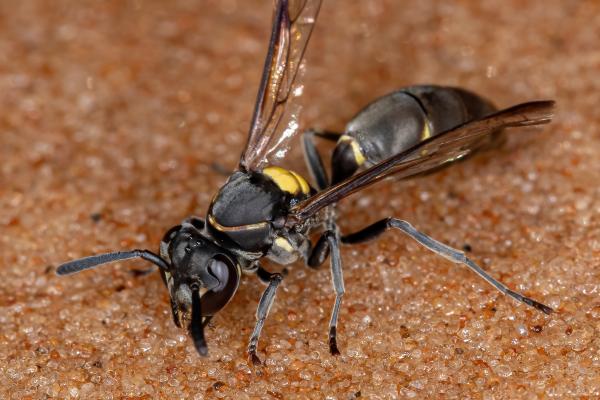
Pollen wasps, also known as Masarinae, are a subfamily of apocritic hymenoptera belonging to the family Vespidae. In the past, they were sometimes considered a separate family called Masaridae, which also included the subfamily.
Most species of pollen wasps are black or brown, with striking patterns of contrasting colors such as yellow, white, red, or combinations of these. These wasps are at their greatest diversity and abundance in the desert regions of South Africa, but can also be found in the deserts of North and South America. Wasps belonging to Masarinae build tunnels in the ground, which can contain several cells. These nests are usually located in hidden places, such as under rocks or in crevices.
Euparagiinae
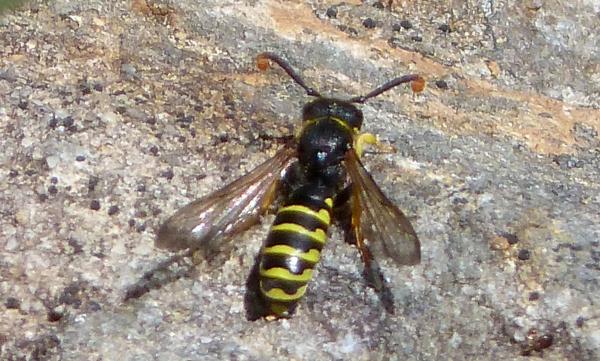
Euparagiinae is a rare subfamily of wasps that is part of the family Vespidae. This group, represented by the single genus Euparagia, had a wide distribution in geological times, but is currently geographically restricted as a remnant taxon to the desert regions of the southwestern United States and northwestern Mexico. Today, Euparagiinae is considered an independent subfamily and is distinguished from the rest of the Vespidae as its sister group.
Its wing structure presents a unique venation that differentiates it from all other Vespidae species. In males, the femurs and trochanters of the front legs show distinctive modifications depending on the wasp species.
Vespinae
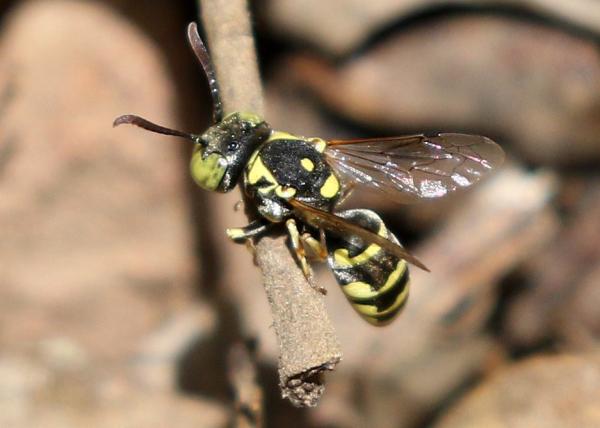
Vespins, belonging to the subfamily Vespinae, are a lower category of hymenoptera in the family Vespidae. Like wasps of the Polistinae subfamily, they are eusocial wasps. However, an exception should be made for parasitic wasps that do not have castes and lay their eggs in the nests of other species. A well-known example of this subfamily is the European hornet, Vespa crabro. This subfamily is present on all continents, except Antarctica. There are cases of species that have been introduced to areas beyond their natural distribution and some have become serious pests. In the Iberian Peninsula, the genus Vespa is the only one present, while in North America three genera can be found: Dolichovespula, Vespa and Vespula.
Stenogastrinae
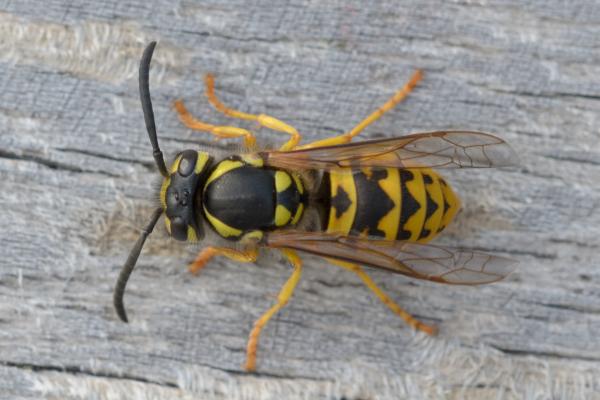
Stenogastrinae is a lower category of wasps found from Indomalasia to New Guinea. They present a wide biological diversity, with species that vary from solitary to social behavior. What distinguishes this class of wasps is that they have lost the ability to fold their wings longitudinally, instead folding them backwards, similar to bees. Most stenogastrines are found in tropical areas of Southeast Asia, encompassing Eastern India, Indochina, and the Indonesian islands.
If you want to know more about the Differences between bees and wasps, in this other post we explain them to you.
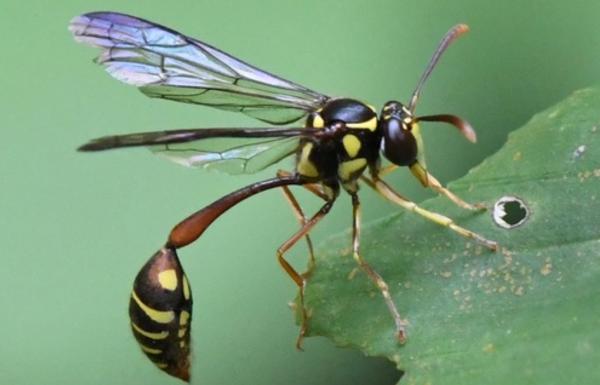
Eumeninae
Eumenines, also known as potter wasps, are a subfamily of wasps belonging to the family Vespidae. In the past, they were considered a separate family called Eumenidae.
This group is large and distributed throughout the world, with almost 200 genera that cover the vast majority of species within the Vespidae family. Most Eumeninae species are solitary predators, meaning it is very rare for these wasps to cause pests. Some species have primitive social behavior. They are called potter wasps because some build clay nests in the shape of a pot or casserole. However, most use holes or cavities in the wood, in the ground or even use abandoned nests of other species of wasps or bees.
Now that you have discovered these 6 great types of wasps, we recommend you continue discovering fascinating insects by reading about the different Types of bees and Types of flies.
If you want to read more articles similar to Types of wasps, we recommend that you enter our Biology category.
- ScienceDirect. (2022). Vespidae: an overview. Available at: https://www.sciencedirect.com/topics/pharmacology-toxicology-and-pharmaceutical-science/vespidae
- Iowa State University, Department of Entomology. (2022). “Symphyta” – Sawflies, Horntails, and Wood Wasps. Available at: https://bugguide.net/node/view/112
