
Air conditioning has become one of the great allies to combat high summer temperatures, but it can also become one of the devices that is most noticeable on the electricity bill. With thermometers skyrocketing during hot spells, finding a way to keep your home cool without increasing electricity consumption too much becomes especially important.
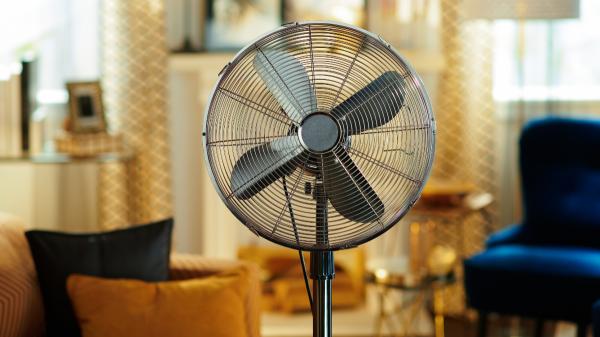
One of the most common alternatives is to use a fan. Although it cannot lower the temperature of a room like an air conditioner does, it can improve the thermal sensation and allow you to delay the time to turn on the air conditioning.
Electrical engineer Javier Dasí, an expert in energy issues, explained in a TikTok video precisely how to combine both devices to try to reduce spending. His recommendation is based on a simple idea: use the fan first and reserve the air conditioning for when it is really necessary.
Javier Dasi’s trick to spend less on air conditioning and save on your electricity bill
The expert’s first recommendation is simple: whenever the temperature allows it, it is a good idea to try to combat the heat with fans before resorting to air conditioning. “20 fans spend the same on the bill as a single air conditioner,” says Dasí.
The fan does not actually cool the air in a room, but it does generate a current that facilitates the evaporation of sweat and produces a more pleasant thermal sensation. That is why it may be sufficient when the heat is not extreme or when the outside temperatures begin to drop.
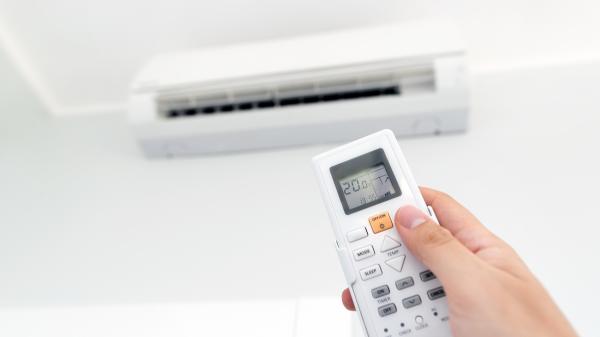
Air conditioning, on the other hand, does reduce the temperature of the environment, but it requires more electricity to do so. Hence, one of the most interesting strategies is to reserve it for times when the fan is no longer enough.
Dasí proposes this combination as a way to prevent the continued use of air conditioning from triggering consumption during the summer months.
The simple gesture that he recommends doing in the morning to keep the house cool and avoid increasing the bill
In addition to choosing between a fan and air conditioning, there is another time of day that can make a difference: the hours when the outside temperature drops.
The expert recommends taking advantage of the cooler afternoons and nights to turn off the appliances and open the windows. In this way, air renewal can be promoted and the home loses part of the heat accumulated during the day.
The strategy changes in the morning. When the outside temperature begins to rise, around 9 or 10, the recommendation is to close the windows, lower the blinds and limit the direct entry of the sun. Once this is done, you can turn to the fans first and use the air conditioning when necessary.
The objective is to prevent the home from heating up more than necessary so as not to have to use the air conditioning for so many hours afterwards.
This small gesture can also be especially useful in homes that receive many hours of sun. Keeping the blinds down during central hours can reduce the amount of heat entering rooms and make the work of air conditioning equipment easier.

It’s not just how much you consume that matters: it’s also how much you pay for each kilowatt hour.
Javier Dasí focuses on another aspect that often goes unnoticed when trying to save in summer: the contracted price of electricity.
As he explains, there is little point in controlling consumption if each kilowatt hour is paid for at a high price. To illustrate this, consider an example with a monthly consumption of 500 kWh. If each kilowatt hour costs 10 cents, the cost of energy would be very different from paying 15, 20 or even 30 cents for the same consumption.
With 500 kWh, paying 10 cents per kWh means 50 euros for the energy consumed, while at 30 cents it would be 150 euros. To this we would have to add taxes, charges and other items that appear on the electricity bill.
Therefore, reviewing how much we are really paying for each kWh can be as important as reducing the use of air conditioning. Two households with exactly the same consumption can end up paying very different amounts depending on the conditions of their contract.
The expert recommends checking the invoice and comparing the available rates, paying special attention to the conditions that apply after the initial contract period.
The electricity bill can go up even if you maintain your consumption habits
Another of Dasí’s tips is to periodically review the electrical contract. The expert warns that some rates may change their conditions or become more expensive over time, so he considers it important not to assume that the contracted rate will continue to be the most economical in a year’s time.
His recommendation is to look for a rate that offers a competitive and stable price 24 hours a day, but also check the fine print carefully before contracting. Specifically, it advises paying attention to possible additional services, insurance or conditions that could end up making the bill more expensive.
In the middle of the hot season, therefore, saving on electricity is not just about turning off the air conditioning. Ventilating the home when the temperature drops, closing blinds during the hottest hours, using fans whenever they are sufficient and reviewing the price per kilowatt hour are four measures that can help control spending.
Therefore, before turning on the air conditioning throughout the day, it is worth asking yourself if the combination of fans, blinds and good night ventilation can keep the home at a more comfortable temperature.
If you want to read more articles similar to Javier Dasí, energy saving expert: “20 fans consume the same as a single air conditioner”, we recommend that you enter our Energy Savings category.
