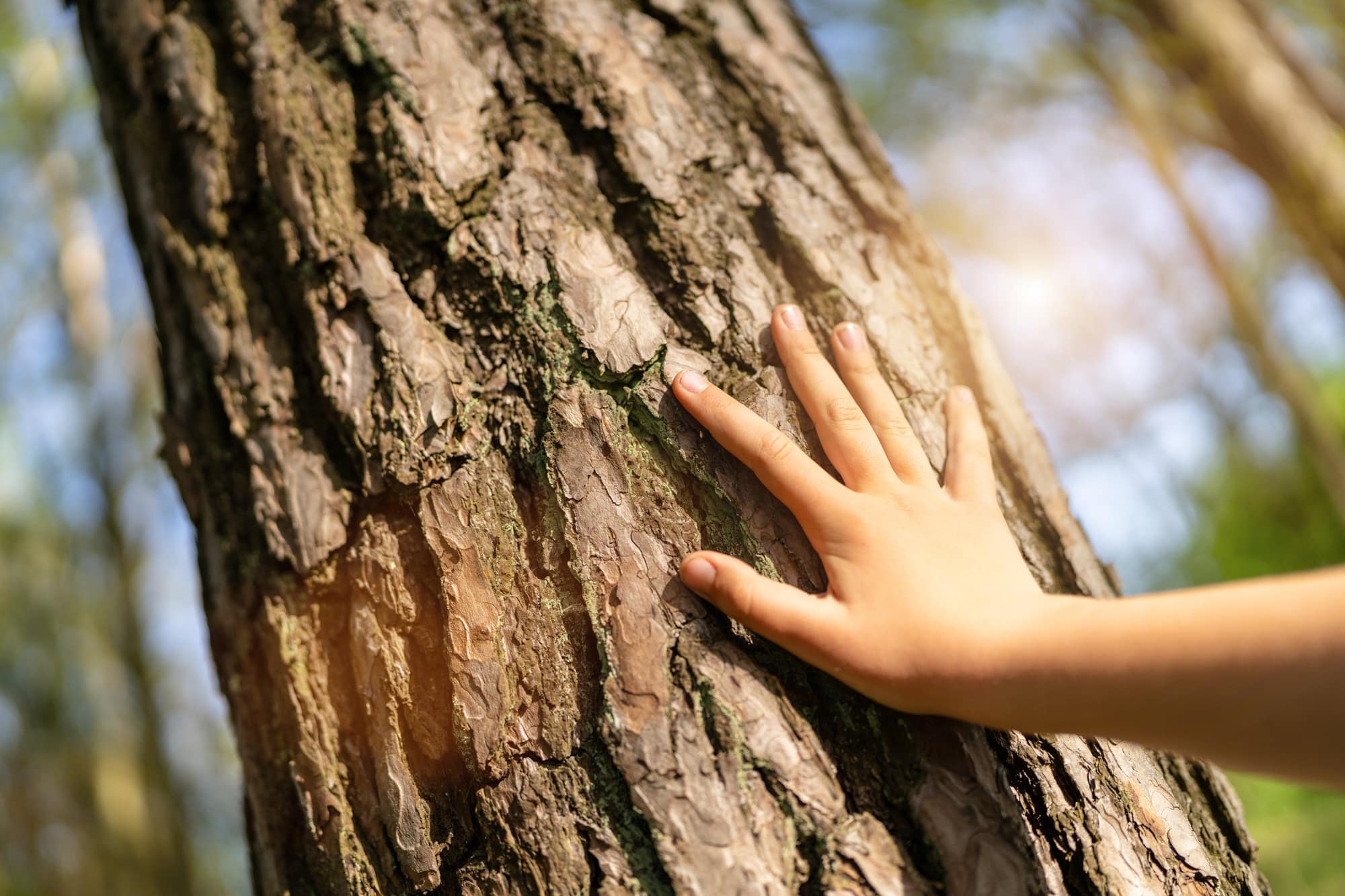
An Australian research team has identified a new superpower climate of trees, which adds to their known ability to absorb CO2 from the atmosphere through photosynthesis and to their more recently discovered ability to absorb methane. According to the study, published on Science, the bark of trees hosts thousands of billions of different microbes, capable of cleaning the air from various toxic and climate-altering gases.
Greenhouse gas absorbers. The researchers collected tree samples of different species in eastern Australia for five years; they then used genomic and biogeochemical techniques to determine the identity, capabilities and activities of the microbes living in the cortex. “Most of these microbes are tree-adapted specialists that feed on greenhouse gases,” explained research coordinator Bob Leung. “They consume methane, hydrogen, carbon monoxide and even volatile compounds released by the trees themselves.”
A gigacontinent of bark. If we counted all the trees on Earth, their bark would cover an area roughly equal to the extent of all seven continents: “This ‘bark continent’ is potentially removing millions of tons of greenhouse gases every year,” comments Luke Jeffrey, coordinator of the study together with Leung.
Huge potential. What they discovered, the authors underline, could have benefits for the climate and for our health: if we managed to identify the trees with the greatest presence of gas-absorbing microbes, we could try to use them as much as possible to reforest and create green areas in the city. This study represents only the first step to fully understand the role of trees in the fight against climate change: as Damien Maher, another of the authors, reminds us, “we may have to rethink the way in which trees and forests regulate the Earth’s climate, today and in the future”.
