
Low emission zones (ZBE) are urban areas in which the access and circulation of vehicles is regulated based on their level of polluting emissions. In Spain, the implementation of ZBEs directly affects which cars can enter certain cities, so knowing how they work and the current regulations is key to avoiding penalties and planning trips in advance.
For this reason, we are going to dedicate this Evidence Network article to explaining what low emission zones are, how they work and how to know if your car can or cannot enter these areas.
What is a ZBE or low emissions zone and what are its benefits?
A ZBE or low emissions zone is a delimited area within a city in which access, circulation and parking of the most polluting vehicles is restricted or regulated. These zones are established with the main objective of reducing air pollution, especially that caused by road traffic, which is one of the main sources of nitrogen dioxide (NO₂) and suspended particles emissions in urban environments.
The benefits of low emission zones are multiple. On the one hand, they contribute to improving air quality, which has a direct impact on public health, reducing respiratory and cardiovascular problems. On the other hand, they promote more sustainable mobility, promoting the use of public transport, bicycles, traveling on foot and the renewal of the vehicle fleet towards less polluting vehicles.
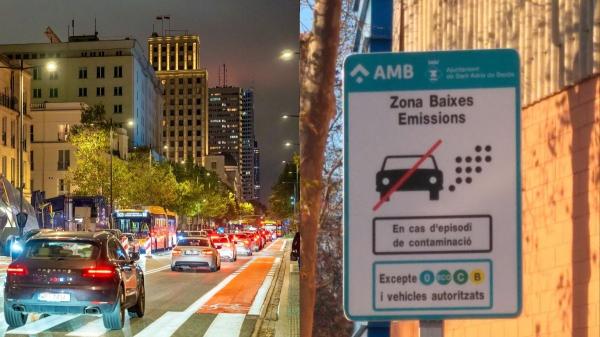
How do low emission zones work?
Low emission zones operate through a system of traffic control and regulation within a specific area of the city. Each municipality defines the perimeter of the ZBE and establishes the rules that determine which vehicles can access, circulate or park inside, depending on their level of polluting emissions.
The most common criterion for regulating access is the vehicle’s environmental classification, which is usually based on the year of registration, fuel type and engine technology. In many cases, vehicles are identified by environmental badges, allowing authorities to apply restrictions in a clear and automated way. The controls are carried out mainly through license plate reading cameras, which verify whether the vehicle meets the requirements to circulate in the area.
What cars can enter the low emissions zone in Spain?
In Spain, access to Low Emission Zones (ZBE) is mainly linked to the environmental distinction granted by the General Directorate of Traffic (DGT). This badge classifies vehicles according to their level of emissions, and not all cars can circulate freely in these restricted areas.
Vehicles with 0 emissions label
- 100% electric cars (battery vehicles).
- Hydrogen vehicles (fuel cell).
- Plug-in hybrids with electric range of at least 40 km.
Vehicles with ECO label
- Non-plug-in hybrids.
- Plug-in hybrids with less than 40 km of autonomy.
- Vehicles powered by compressed natural gas (CNG), liquefied gas (LPG), etc.
Vehicles with C label
- Gasoline: Euro 4/5/6 (generally registered since 2006).
- Diesel: Euro 6 (generally since 2015).
Vehicles with label B
- Gasoline: Euro 3 (approximately since 2000).
- Diesel: Euro 4/5 (approximately since 2006).
Vehicles without environmental label
They are the oldest and most polluting vehicles. Starting in 2025, these cars cannot circulate in ZBEs under any circumstances, even if they belong to residents, except for specific exceptions to enter a private parking lot or after requesting a specific permit in some cities.
Vehicles with a license plate from another country do not automatically have a DGT badge, so they normally must register in the corresponding city council system or demonstrate that they meet a certain environmental category before entering a ZBE, to avoid fines.
How to check if your car can enter a ZBE?
The first step is to identify the vehicle’s environmental distinctiveness. The General Directorate of Traffic (DGT) assigns a label based on the type of engine, fuel and year of registration. This information can be easily consulted by entering the registration number in the DGT electronic headquarters or by reviewing the car’s technical data sheet, which contains the Euro regulations that it complies with.
Once the environmental label is known, it is important to consult the specific regulations of the corresponding ZBE. Each city council defines which labels they can access, whether there are time restrictions, exceptions for residents or limitations in episodes of high pollution. This information is usually available on the municipality’s official website or on urban mobility portals.
Possible fines and sanctions for not complying with low emissions zone regulations
The standard penalty for entering an ZBE without authorization is usually €200, reduced to €100 if paid within the voluntary period (normally about 20 days). This penalty is applied in many Spanish cities that have activated the sanctioning regime after the initial notice and information periods.
Control cameras and automated license plate reading systems are the usual instruments to detect offenders and process these sanctions.
Cars with foreign plates may also receive fines if they enter without complying with local regulations or without processing the corresponding municipal registration. Many councils have warned of penalties even when drivers thought they were exempt.
There are cases in which it is possible to access without a fine, such as emergency vehicles, transportation of people with reduced mobility or special authorizations, but the formal requirements must always be met so that it is not considered an infraction.
If you want to read more articles similar to What cars can enter the low emissions zone?, we recommend that you enter our Other ecology category.
- ZBE – Low Emission Zone: what it is, characteristics and how it is developed. European University. Available at: https://universidadeuropea.com/blog/que-es-zbe/
- LOW EMISSION ZONES: WHAT THEY ARE AND WHICH MUNICIPALITIES IN SPAIN ARE OBLIGED TO IMPLEMENT THEM. Alomon. Mobility consulting. Available at: https://consultoralomon.com/zonas-de-bajas-emisiones-que-son-y-que-municipios-en-espana-estan-obligados-a-su-implantacion/
- Low emission zones in Spain: requirements and vehicles allowed to circulate. Driveris. Available at: https://www.driveris.es/blog/zona-bajas-emisiones-espana?srsltid=AfmBOoouS5qmI6F_KEd9vOmMkUIJuNuUiOgDFlgW5u7mCRZvoIs5Pk5q
- What are ZBEs or low emissions zones in Spain? RODI. Available at: https://www.rodi.es/blog/zonas-bajas-emisiones-espana/
