
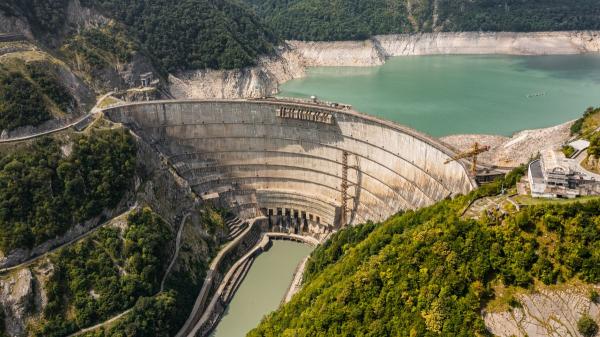
Europe is increasingly removing dams, weirs and other river barriers that have remained on its rivers for decades. In 2024 alone, 603 structures were removed in different European countries, a record number within aquatic ecosystem restoration programs. This trend is part of a strategy aimed at recovering the connectivity of rivers, improving the state of biodiversity and restoring infrastructure that has become obsolete or disused. This is why dams are being taken down and what the ultimate goal of it is.
Exactly how many dams have been removed in Europe?
In 2024, Europe recorded a historical record in the elimination of river barriers. During the last year, 603 dams, weirs and other structures that hindered the natural flow of rivers were removed, the highest number reached so far on the continent.
The actions took place in different European countries, with Spain being one of the most active. The data confirms a trend that has gained strength in recent years and is part of the largest river restoration projects developed in Europe.
Why is Europe removing hundreds of dams from its rivers?
Europe is eliminating hundreds of dams, weirs and other river barriers because many of these infrastructures have become obsolete and generate more negative impacts than benefits. Although they were built for decades to produce energy, facilitate irrigation or regulate the flow of rivers, an important part no longer fulfills a relevant function and hinders the natural functioning of river ecosystems.
One of the main reasons is the recovery of biodiversity. Dams interrupt the migration of numerous fish species, such as salmon and the European eel, in addition to altering the natural transport of sediment, nutrients and water. This fragmentation affects not only fish, but also birds, insects, mammals and other organisms that depend on rivers.
There are also security reasons. Many of these structures were built decades ago and require high investments for their maintenance. In some cases, maintaining them involves a cost greater than the benefits they provide, so administrations choose to withdraw them.
In addition, the European Union is actively promoting the restoration of river ecosystems. The Nature Restoration Act, effective from 2024, sets goals to restore thousands of kilometers of free-flowing rivers by 2030. Within this strategy, the removal of unnecessary barriers is considered a key tool to improve the health of aquatic ecosystems and increase their adaptive capacity in the face of climate change.
The results observed in several projects have reinforced this trend. Following the removal of certain dams, some areas have quickly recovered ecological connectivity and the return of migratory species, demonstrating that river restoration can produce visible effects in much shorter periods of time than initially thought.
The EU objective: recover 25,000 kilometers of rivers before 2030
The European objective is not to empty reservoirs on a general basis, the removal of dams and other river barriers is part of a broader strategy of the European Union to restore degraded ecosystems and recover the natural functioning of rivers. The objective is not to eliminate all hydraulic infrastructures, but to remove those that no longer fulfill a relevant function and that hinder the ecological connectivity of watercourses.
This policy is linked to the Nature Restoration Law, approved by the European Union in 2024, which establishes concrete goals to improve the state of European ecosystems before 2030. These include the recovery of at least 25,000 kilometers of free-flowing rivers by eliminating obsolete barriers and restoring aquatic habitats.
With this measure, the European institutions seek to promote the natural movement of migratory species, improve the quality of river ecosystems and recover ecological processes that have been altered by decades of fragmentation. The restoration of rivers also aims to increase their capacity to adapt to phenomena related to climate change, such as droughts, floods or extreme variations in flows.
In addition to the environmental benefits, the European Union considers that healthier river ecosystems can provide long-term economic and social advantages, since they contribute to the conservation of biodiversity, improve water quality and promote activities linked to nature tourism and fishing.
The countries that have eliminated the most dams in Europe
The removal of river barriers has become a growing trend in Europe, although the pace of action varies between countries. The greatest advances were concentrated in countries that have been developing river restoration programs for years. Finland led the number of eliminations with 138 barriers removed, followed by France with 128, Spain with 96 and Sweden with 45. These four countries represented an important part of all the actions carried out during the year.
The case of Spain stands out especially for the growth of river recovery initiatives. The removal of old dams, weirs and other disused infrastructure in Spain seeks to improve the connectivity of aquatic ecosystems and facilitate the movement of migratory species between different river stretches.
In addition to the countries with the most actions, the report indicates that river restoration is spreading throughout much of the continent. In total, the interventions carried out during 2024 made it possible to recover hundreds of kilometers of river courses and consolidate a European strategy that is gaining relevance year after year.
If you want to read more articles similar to Europe eliminates more than 600 dams in one year: the reason behind this historic decision, we recommend that you enter our Biodiversity category.
