
In the hot months, the electricity bill skyrockets in many homes due to the intensive use of air conditioning systems. Choosing between a fan or air conditioning can make a big difference in energy consumption and the money you pay each month.
Although at first glance they seem similar solutions to combat heat, their operation and their impact on electricity consumption are very different. One barely modifies domestic consumption, while the other can become one of the main causes of the increase in the bill.
Understanding how much each option consumes and in which situations one or the other is better is key to making more efficient decisions during the summer and maintaining comfort without spending more.
Real consumption of a fan: how much it spends on the electricity bill
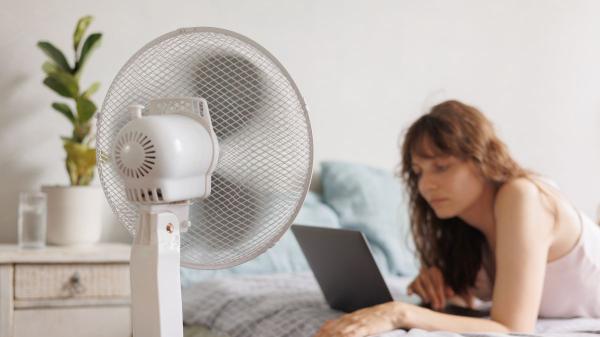
A traditional home fan usually consumes around 30 to 90 watts per hour, depending on the model and power of the equipment. Translated into euros, the operating cost is usually between 0.01 and 0.03 euros per hour. This means that using a fan for eight hours a day can mean an approximate monthly expense of between 1.5 and 5 euros on the electricity bill.
The most common models have similar consumption:
- Table fan: between 30 and 50 W.
- Standing fan: between 40 and 90 W.
- Ceiling fan: between 50 and 75 W.
How much does air conditioning consume and how much can it cost you per month?
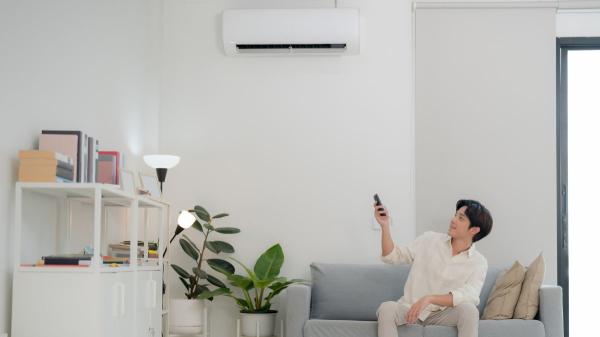
The energy consumption of these devices depends on factors such as power, the selected temperature, the insulation of the home, the external conditions and the technology used. As a guide, a domestic air conditioner usually consumes between 900 and 2,000 W. This translates into an approximate cost of between 0.18 and 0.60 euros per hour of operation, although the final figure may vary depending on the price of electricity and the efficiency of the device.
If used for eight hours a day, the monthly cost can be approximately at the following levels:
- 900 W air conditioning: around 43 euros per month.
- 1,200 W air conditioning: around 58 euros per month.
- 2,000 W air conditioning: between 96 and 144 euros per month.

Why air conditioning uses much more than a fan
The difference in consumption between a fan and an air conditioner is mainly due to the way in which each device combats heat. While the fan only moves the air to improve the thermal sensation, the air conditioner uses a compressor and a refrigeration circuit to reduce the actual temperature of the room, a process that requires much more energy.
In the case of air conditioning, electricity costs can vary considerably from one home to another because several factors come into play:
- The power of the equipment, which usually ranges between 900 and 2,000 W.
- The temperature selected on the thermostat.
- The outside temperature.
- The level of thermal insulation of the home.
- The technology used, especially if it has an inverter or conventional system.
For example, a well-insulated home will need less operating time to maintain a comfortable temperature than one with inefficient windows or exposed to the sun for much of the day. Likewise, the lower the set temperature, the greater the effort the equipment will have to make to cool the room.
The fans also present differences in consumption between models, but they are much smaller. Most home equipment operates in ranges between 30 and 90 W, so even the most powerful models still consume very little compared to an air conditioner.
When the fan is no longer enough to cool the house
The fan is the most economical option to combat the heat, but its effectiveness has limits. Unlike air conditioning, it does not reduce the actual temperature of a room, but rather moves air to improve thermal sensation. Therefore, there comes a point where it is no longer enough to maintain comfort.
From around 27-28 °C inside the home, its effectiveness decreases significantly. In these conditions, the air it moves is no longer as refreshing and the feeling of relief is much less.
It also does not usually compensate when humidity is high. The fan helps cool the body by promoting the evaporation of sweat, but this mechanism loses effectiveness in humid environments, where sweat evaporates with more difficulty. As a result, the feeling of embarrassment can persist even with the device running.
How to use fan and air conditioning together to save on electricity
Using a fan along with the air conditioning can be one of the most effective ways to maintain comfort during the summer without increasing electricity consumption. The key is to take advantage of the advantages of each system.
One of the most repeated tips from energy efficiency experts is to slightly raise the temperature of the air conditioning when using a fan. The engineer and energy disseminator Javier Dasí recommends in his video to try to put up with fans whenever possible and, when it is necessary to resort to air conditioning, combine both systems to maintain comfort with lower energy expenditure.
Some practical tricks to save are:
- Set the air conditioning between 25 and 26 °C instead of lower temperatures.
- Use a fan to distribute cold air throughout the room.
- Turn on the air conditioning before the home accumulates too much heat.
- Keep blinds and curtains closed during the sun’s hours.
- Take advantage of the cooler hours of the morning and night to ventilate the house.
Additionally, there is scientific evidence that this combination can generate significant savings. A study published in the journal Energy and Buildings analyzed the combined use of ceiling fans and air conditioning in buildings and observed an average reduction of 36% in energy consumption for cooling. The researchers found that users could maintain higher indoor temperatures without losing a sense of comfort thanks to the air movement generated by the fans.
Therefore, it is not always a question of choosing between a fan or air conditioning. In many situations, the most efficient option for the electricity bill is to use both in a complementary way.
If you want to read more articles similar to Air conditioning vs fan: this is the option that can reduce your electricity bill the most, we recommend that you enter our Energy Savings category.
